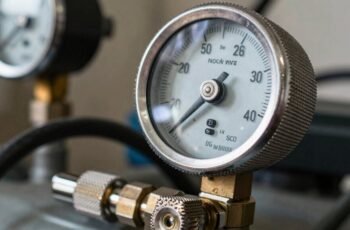
Like a well-oiled machine, an air compressor requires meticulous care to operate at peak efficiency. Regular servicing is not just about maintaining performance; it’s about ensuring safety, reducing costly downtime, and extending equipment lifespan. Without proper upkeep, small issues can escalate into major failures. To truly optimize your compressor’s reliability, understanding each step of the servicing process is essential—something we’ll explore in detail as we move forward.
Key Takeaways
- Regularly inspect and clean components like filters, belts, and cooling fins to maintain efficiency and prevent damage.
- Drain moisture and replace oil and filters according to manufacturer guidelines to ensure optimal compressor performance.
- Follow safety protocols by disconnecting power and wearing PPE during maintenance to prevent accidents.
- Troubleshoot common issues such as low pressure or overheating by checking filters, leaks, and oil levels promptly.
- Keep detailed maintenance records and perform proactive inspections to extend compressor lifespan and minimize downtime.
Understanding the Importance of Regular Air Compressor Servicing
Regular servicing of air compressors is essential to guarantee peak performance and prevent costly breakdowns. Consistent maintenance ensures that critical components such as valves, filters, and bearings operate within specified parameters, reducing wear and tear. By scheduling regular inspections, we can identify potential issues like misalignment, corrosion, or inefficient seals before they escalate. Proper servicing also maintains ideal airflow and pressure levels, which directly impacts energy efficiency and output quality. Neglecting these procedures leads to decreased system reliability, increased downtime, and higher operational costs. A disciplined maintenance routine preserves compressor longevity and ensures compliance with safety standards. Ultimately, proactive servicing minimizes unexpected failures and extends equipment lifespan, enabling continuous, efficient operation and safeguarding our investment.
How to Inspect Your Air Compressor for Wear and Damage
To effectively maintain your air compressor’s performance, it’s important to regularly inspect for signs of wear and damage. Begin by examining all moving parts, including belts and pulleys, for fraying, cracks, or excessive wear. Check the compressor head and cylinders for oil leaks, corrosion, or scoring, which indicate internal issues. Inspect safety valves and pressure gauges for proper function and calibration, ensuring they respond accurately. Listen for unusual noises during operation, such as knocking or rattling, which can signal bearing or piston problems. Visually assess electrical connections and wiring for corrosion or loose contacts. Finally, review the cooling fins and vents for debris buildup, as overheating can accelerate component wear. Regular, detailed inspections help identify issues early, preventing costly failures.
Step-by-Step Guide to Changing Compressor Oil and Filters
To maintain peak compressor performance, we start by draining the existing oil thoroughly, guaranteeing all residuals are removed. Next, we replace the oil filter with a compatible part and verify system pressure to confirm proper operation. This process guarantees the compressor runs efficiently and reduces the risk of mechanical failure.
Drain Old Oil
Have you prepared the necessary tools and safety equipment before draining the compressor oil? Essential tools include a drain pan, adjustable wrench, and cleaning cloth. Safety gear such as gloves and eye protection is mandatory to prevent contact with hot or contaminated oil. Properly positioning the drain pan beneath the drain plug assures efficient oil collection. Use the wrench to loosen the drain plug slowly, allowing the oil to flow out steadily. Be cautious of residual pressure that might cause splashing. Once drained, tighten the plug securely to prevent leaks. Below is a quick reference:
| Step | Action | Key Detail |
|---|---|---|
| 1 | Prepare tools and safety gear | Gloves, eye protection, drain pan |
| 2 | Position drain pan | Beneath drain plug |
| 3 | Loosen and drain oil | Use wrench, allow complete flow |
| 4 | Tighten drain plug | Ensure secure seal |
Replace Oil Filter
After draining the old oil and ensuring the drain plug is securely tightened, we move on to replacing the oil filter. First, locate the filter housing, which is typically accessible from the side or top of the compressor. Use an appropriate filter wrench to loosen and remove the existing filter, taking care to prevent oil spillage. Before installing the new filter, apply a thin layer of clean oil to the gasket to ensure proper sealing. Carefully thread the new filter onto the housing by hand, then tighten it securely with the wrench—avoid over-tightening, which can damage the gasket. Confirm the filter is seated properly and that all connections are secure. Proper filter replacement guarantees ideal oil flow and maintains compressor efficiency.
Check System Pressure
How can we guarantee the compressor operates within safe pressure ranges after servicing? The key is to accurately check the system pressure using a calibrated pressure gauge. First, make sure the compressor is at rest, then attach the gauge to the designated pressure port. Start the compressor and monitor the pressure build-up, comparing it to the manufacturer’s specified operating range. Record the maximum pressure and observe for any fluctuations or abnormal readings. If pressure exceeds the recommended limit, reduce load or inspect for blockages. Conversely, if pressure falls short, check for leaks or worn components. Precise pressure measurement confirms the system’s integrity and safety, affirming the best performance and preventing potential damage caused by over- or under-pressurization.
Troubleshooting Common Air Compressor Issues and How to Fix Them
We’ll examine common air compressor issues such as low air pressure, overheating, and unusual noises, and identify precise troubleshooting steps. Understanding the root causes of these problems allows us to implement effective fixes quickly. Accurate diagnosis is essential for maintaining peak compressor performance and prolonging its lifespan.
Low Air Pressure Causes
Low air pressure in an air compressor often results from specific mechanical or operational issues that restrict airflow. Identifying the root cause is essential for effective troubleshooting.
- Clogged or Dirty Air Filters: Debris or dust accumulation limits airflow into the system, reducing pressure output.
- Worn or Damaged Valves: Faulty intake or exhaust valves can cause leaks or incomplete compression, leading to pressure drops.
- Leaks in Hoses or Fittings: Air leaks reduce system pressure, especially if connections are loose or deteriorated.
Addressing these issues involves inspecting and cleaning filters, replacing damaged valves, and sealing leaks. Correct diagnosis prevents system inefficiencies and maintains *ideal* pressure levels.
Compressor Overheating Solutions
Overheating is a common issue in air compressors that can considerably impact performance and longevity. To address this, we first guarantee proper ventilation around the unit, preventing heat buildup. Regularly inspecting and cleaning cooling fins and air filters enhances airflow efficiency. Overloading the compressor beyond its rated capacity causes excess heat; thus, operating within specified limits is essential. Checking for proper oil levels and quality is imperative, as insufficient or degraded oil impairs heat dissipation. Additionally, verifying that pressure relief valves and safety devices function correctly prevents excessive pressure and heat accumulation. If overheating persists, consider installing an auxiliary cooling system or upgrading existing cooling components. Consistent maintenance and monitoring are critical to prevent overheating and extend the compressor’s service life.
Unusual Noises Troubleshooting
Unusual noises from an air compressor often indicate underlying mechanical issues that can compromise performance and lead to component damage if left unaddressed. Identifying the source of these sounds is essential for effective troubleshooting.
- Rattling or banging sounds suggest loose components or worn bearings, requiring inspection and tightening or replacement of parts.
- Hissing or air leaks typically indicate damaged seals or fittings, which must be sealed or replaced to restore proper pressure.
- Screeching or high-pitched noises point to lubrication deficiencies or worn drive belts, necessitating lubrication or belt adjustment/replacement.
Addressing these issues promptly prevents further damage, guarantees peak compressor functionality, and extends equipment lifespan. Accurate diagnosis and targeted repairs are key to effective maintenance.
Best Practices for Cleaning and Maintaining Compressor Components
Regular cleaning and maintenance of compressor components are essential to guarantee peak performance and extend equipment lifespan. Proper care prevents corrosion, reduces wear, and ensures reliable operation. When cleaning, focus on removing dust, dirt, and debris from filters, cooling fins, and intake vents using compressed air or soft brushes. Inspect components for signs of damage or corrosion, replacing parts as needed. Consistent lubrication of moving parts minimizes friction and prevents premature failure.
| Best Practice | Expected Outcome |
|---|---|
| Regularly inspect and clean filters | Enhanced airflow and efficiency |
| Lubricate moving parts consistently | Reduced wear and extended lifespan |
Adhering to these practices maintains ideal compressor function and minimizes downtime.
How to Properly Drain and Manage Condensate and Moisture
Effective management of condensate requires adherence to regular drainage procedures to prevent moisture buildup. We must accurately identify signs of excess moisture and implement proper disposal methods to avoid equipment damage. Ensuring these practices maintains compressor efficiency and extends its operational lifespan.
Regular Drainage Procedures
To guarantee peak performance and longevity of your air compressor, it’s essential to regularly drain accumulated condensate and moisture from the system. Proper drainage prevents corrosion, reduces pressure drops, and maintains efficiency.
Follow these steps:
- Schedule Routine Draining: Establish a consistent timetable based on compressor usage and ambient conditions.
- Use Proper Valves: Ensure drain valves are functional and accessible, allowing complete removal of condensate.
- Drain During Operation or Shutdown: Depending on the system, drain condensate while the compressor is operating or after shutdown to avoid pressure buildup.
Consistent adherence to these procedures minimizes moisture-related issues, preserves component integrity, and enhances overall system performance.
Identifying Moisture Buildup
How can we accurately identify moisture buildup in our air compressors? The key indicators include visible water or oil accumulation in the compressor’s condensate drain, as well as increased humidity levels in the output air. We should monitor the moisture trap or separator for signs of water collection, which suggests excessive moisture ingress. Additionally, condensation on internal components or the buildup of oil-saturated moisture on filters indicates ongoing moisture issues. A sudden drop in air pressure or inconsistent output can also signal moisture-related blockages. Precise identification requires regular inspection of drain points and moisture indicators. By closely observing these signs, we guarantee early detection of moisture buildup, enabling us to implement targeted drainage and prevent potential damage caused by excess humidity.
Proper Disposal Methods
Proper disposal of condensate and moisture is essential to maintain compressor performance and prevent environmental contamination. Improper handling can lead to corrosion, reduced efficiency, and regulatory violations. To guarantee safe disposal, follow these steps:
- Drain condensate regularly using the compressor’s drain valve or an automated drain system to prevent buildup.
- Segregate hazardous fluids by collecting condensate in approved containers, especially if it contains oils or chemicals.
- Dispose of waste according to local regulations by transferring condensate to authorized disposal facilities or treatment systems, avoiding direct discharge into drains or waterways.
Consistently applying these methods ensures effective moisture management, compliance, and extended compressor lifespan.
Tips for Extending the Lifespan of Your Air Compressor
Regular maintenance and proactive care are essential for maximizing the lifespan of your air compressor. Consistent inspection of critical components—such as filters, belts, and hoses—helps identify wear before failure occurs. Regularly drain moisture from tanks to prevent corrosion and maintain peak pressure levels. Guarantee proper lubrication by adhering to manufacturer specifications; inadequate lubrication accelerates component wear. Monitoring operating temperatures and avoiding overloading the unit reduces thermal stress, extending its service life. Keep the compressor in a controlled environment to minimize exposure to dust, moisture, and temperature fluctuations. Additionally, calibrate pressure controls periodically to guarantee accurate operation. Implementing these precise, routine practices minimizes downtime and prevents costly repairs, ultimately prolonging your compressor’s operational lifespan.
Safety Precautions to Follow During Servicing and Maintenance
Ensuring safety during servicing and maintenance is crucial to prevent accidents and equipment damage. Proper precautions minimize risks and ensure smooth operation.
Prioritize safety during maintenance to prevent accidents and protect equipment integrity.
- Always disconnect power sources and depressurize the system before beginning work to eliminate residual pressure hazards.
- Wear appropriate personal protective equipment (PPE), such as gloves, safety goggles, and hearing protection, to guard against potential injuries.
- Use the correct tools and follow manufacturer guidelines strictly to avoid damaging components or causing unsafe conditions.
Additionally, ensure the compressor is in a stable position and locked in place if necessary. Never bypass safety devices or operate the compressor while maintenance is ongoing. Adhering to these precautions maintains a safe work environment and preserves equipment integrity.
When to Seek Professional Help Versus DIY Maintenance
While many routine maintenance tasks can be safely performed by trained individuals with basic mechanical skills, complex repairs or system diagnostics often require professional expertise. If you encounter significant pressure drops, abnormal noises, or persistent overheating, it’s crucial to consult a certified technician. Troubleshooting electrical components, replacing valves, or working with the compressor’s internal mechanisms demands specialized tools and knowledge to guarantee safety and system integrity. Attempting advanced repairs without proper training increases the risk of damage, safety hazards, and voiding warranties. For minor tasks like filter replacements or drain operations, DIY is appropriate if you follow safety protocols. However, any issue involving system calibration, pressure regulation, or internal components should be addressed by qualified service personnel to prevent further damage and maintain peak performance.
Creating a Routine Servicing Schedule for Long-Term Performance
Establishing a structured servicing schedule is essential for maintaining ideal air compressor performance over time. Consistent maintenance prevents unexpected failures, prolongs equipment lifespan, and ensures optimal efficiency.
To create an effective routine, consider these key steps:
- Schedule regular inspections: Conduct visual and operational checks weekly to identify leaks, unusual noises, or temperature fluctuations.
- Perform scheduled maintenance: Follow manufacturer guidelines for oil changes, filter replacements, and lubrication intervals, typically every 1-3 months.
- Maintain detailed records: Log all servicing activities, issues detected, and parts replaced to track performance trends and plan future maintenance.
Adhering to this schedule ensures proactive problem identification and sustained compressor reliability, minimizing downtime and operational costs.
Frequently Asked Questions
How Often Should I Replace the Compressor’s Belts or Pulleys?
We recommend replacing compressor belts or pulleys every 6 to 12 months, depending on wear and operational hours. Regular inspections for cracks, fraying, or misalignment help maintain peak performance and prevent unexpected breakdowns.
What Are Signs of Electrical Component Failures in an Air Compressor?
Electrical failures in an air compressor are like a failing heartbeat—look for frequent tripping circuit breakers, burning smells, inconsistent motor operation, or unusual noises. These signs indicate electrical components are struggling and need immediate inspection or replacement.
Can I Upgrade My Compressor Parts for Better Efficiency?
Yes, upgrading compressor parts like high-efficiency motors, advanced filters, or variable speed drives can improve efficiency. We recommend consulting manufacturer specifications and professional advice to guarantee compatibility and peak performance without compromising equipment longevity.
How Do Ambient Temperature Changes Affect Compressor Performance?
Ambient temperature fluctuations can considerably impact compressor performance, causing efficiency drops or overheating. We often see temperature changes as minor as a few degrees, but they can drastically alter airflow, cooling, and overall operational stability.
What Are the Environmental Considerations When Disposing of Old Compressor Oil?
When disposing of old compressor oil, we guarantee proper environmental handling by following local regulations, using designated disposal facilities, avoiding soil or water contamination, and recycling oil through certified disposal services to prevent ecological harm.
Conclusion
By adhering to a consistent servicing schedule, we guarantee our air compressors operate at peak efficiency and safety, much like a well-tuned clockwork device from an old horologist’s shop. Regular inspections, timely repairs, and proper maintenance extend the lifespan, reduce downtime, and lower operational costs. Remember, proactive care is our best defense against unexpected failures, helping us maintain maximum performance through every twist and turn of our industrial journey.