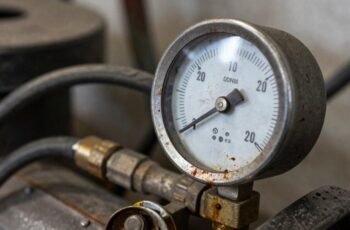
Maintaining essential performance of an air compressor hinges on more than just regular use; it depends heavily on proper oil management. The frequency and quality of oil changes directly influence the compressor’s efficiency and lifespan. Understanding when and how to perform these changes requires a technical approach rooted in manufacturer specifications and operational conditions. As we explore the nuances of this process, you’ll gain vital insights that could prevent costly downtime and extend your equipment’s longevity.
Key Takeaways
- Turn off and cool the compressor before draining used oil to ensure safety and proper removal.
- Use the correct type and viscosity of oil as specified by the manufacturer for optimal performance.
- Replace filters if contaminated and refill with the recommended oil volume after draining.
- Check oil condition regularly for contamination, darkness, or sludge to determine if an oil change is needed.
- Conduct oil analysis periodically and maintain filters and cleanliness to preserve oil quality and compressor efficiency.
How Often Should You Change the Oil in Your Air Compressor?
The frequency of oil changes in your air compressor depends on multiple factors, including usage intensity, operating environment, and oil type. Heavy-duty applications or continuous operation typically necessitate more frequent oil changes to prevent wear and maintain efficiency. Operating in dusty or high-temperature environments accelerates oil degradation, requiring earlier replacements. Synthetic oils often last longer than mineral variants, extending service intervals. Regularly monitoring oil condition—checking for contamination, viscosity changes, or foaming—helps determine ideal change intervals. Manufacturer recommendations serve as a baseline, but real-world conditions may demand adjustments. Ultimately, a proactive maintenance approach, combining scheduled changes with oil analysis, ensures consistent compressor performance, reduces downtime, and prolongs equipment lifespan.
Choosing the Right Oil for Your Air Compressor
Selecting the appropriate oil for your air compressor is foundational to maintaining ideal performance and extending equipment lifespan. It’s essential to match the oil’s viscosity and additive package to your compressor’s specifications. Synthetic oils often provide better thermal stability and oxidation resistance, making them suitable for continuous or high-temperature operations. Mineral oils, on the other hand, may be adequate for less demanding applications and typically cost less. Always consult the manufacturer’s manual to identify recommended viscosity grades—such as ISO or SAE ratings—and any specific additive requirements, like anti-wear or rust inhibitors. Using the wrong oil can cause increased wear, reduced efficiency, and potential damage. Thus, precise selection based on operational conditions and manufacturer guidelines is crucial for maximum compressor longevity.
Step-by-Step Guide to Performing an Oil Change
Performing an oil change on your air compressor requires a systematic approach to guarantee peak performance and prevent damage. Begin by shutting down the compressor, disconnecting power, and allowing the unit to cool. Locate the drain plug or oil drain valve, then position a container beneath it to catch used oil. Carefully open the drain valve to allow complete drainage, ensuring all residual oil is expelled. Next, inspect the filter and replace it if necessary, as contaminated filters hinder lubrication. Refill the compressor with the recommended oil type and quantity, carefully monitoring the level with the dipstick or sight glass. Finally, run the compressor briefly to circulate the new oil, then turn it off and recheck the oil level for accuracy. This methodical process maintains ideal lubrication and prolongs compressor life.
Signs That Indicate It’s Time for an Oil Change
Monitoring the condition of your air compressor’s oil is essential for maintaining ideal performance, as several clear indicators signal when an oil change is necessary. First, observe the oil’s appearance; dark, gritty, or sludge-like oil suggests contamination and degradation. Second, listen for unusual noises such as knocking or rattling, which may indicate insufficient lubrication or internal wear caused by poor oil quality. Third, pay attention to pressure fluctuations or reduced efficiency, as contaminated or degraded oil impairs compression and airflow. Regularly checking oil viscosity and color provides quick insight into its condition. Recognizing these signs early helps prevent component damage and extends equipment lifespan, ensuring best operation and minimizing downtime.
Tips for Maintaining Your Air Compressor’s Oil Quality
Maintaining ideal oil quality in your air compressor requires consistent attention and proactive measures. Regularly monitoring oil levels with precise gauges guarantees best lubrication and prevents operational issues. We recommend checking oil condition visually and analytically, looking for contamination, oxidation, or viscosity changes that signal degradation. Implementing scheduled oil analysis can detect contaminants and monitor additive depletion, allowing timely intervention. Using high-quality, manufacturer-recommended oils extends oil life and maintains performance. Assuring proper filtration and avoiding exposure to moisture or dirt also preserves oil integrity. Additionally, maintaining correct operating temperatures prevents oil breakdown. Routine inspections, combined with disciplined oil management practices, help sustain oil quality, minimize wear, and prolong equipment lifespan. Effective maintenance ultimately enhances compressor efficiency and reduces downtime.
Frequently Asked Questions
Can I Use Automotive Engine Oil in My Air Compressor?
We recommend against using automotive engine oil in your air compressor because it may contain additives unsuitable for compressor parts, potentially causing damage or reducing efficiency. Always use oil specifically designed for compressor systems to guarantee peak performance.
How Does Ambient Temperature Affect Oil Change Intervals?
Like a seasoned chef adjusts seasonings, we adapt oil change intervals based on ambient temperature, as higher temps accelerate oil breakdown, demanding more frequent changes, while cooler environments extend oil life, ensuring ideal compressor performance and longevity.
What Are the Environmental Disposal Methods for Used Compressor Oil?
We recommend recycling used compressor oil through certified disposal facilities, avoiding landfilling or pouring it into waterways, as these methods harm the environment. Proper disposal guarantees compliance with regulations and minimizes ecological impact.
Is It Necessary to Replace Oil Filters During an Oil Change?
Yes, we replace oil filters during an oil change because neglecting this step risks circulating contaminated oil, which can damage the compressor. It’s a critical maintenance point ensuring peak performance and longevity, not just a tedious task.
Can I Overfill the Compressor With Oil?
Yes, you can overfill the compressor with oil, which may cause improper lubrication, increased pressure, and potential damage. We recommend carefully measuring and adhering to the manufacturer’s specified oil level to guarantee ideal compressor performance.
Conclusion
In summary, maintaining ideal oil quality is essential for ensuring our air compressors operate at peak efficiency and avoid catastrophic failures. Regular oil changes and vigilant monitoring can extend the lifespan of your equipment beyond what you’d expect—truly a game-changer. By following our guide and staying attentive to signs of oil degradation, we can prevent costly repairs and keep our systems running smoothly, ensuring reliability that’s as steadfast as the gears of a well-oiled machine.