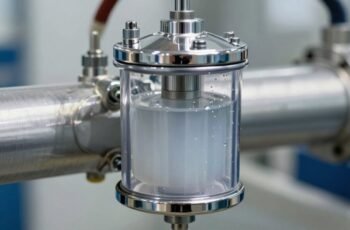
Think of a rotary screw air compressor as the heartbeat of a manufacturing process—its efficiency hinges on precise maintenance. We’ve seen how neglecting simple tasks like filter checks or oil changes can lead to costly downtime. Proper upkeep isn’t just routine; it’s essential for peak performance and longevity. To avoid unexpected failures, understanding the critical maintenance steps is crucial. Let’s explore how consistent care keeps these machines running smoothly and prevents avoidable issues.
Key Takeaways
- Regularly inspect and replace filters, oil, and separators to prevent contamination and ensure efficient operation.
- Monitor temperature and pressure gauges consistently to detect early signs of system issues.
- Perform scheduled maintenance on belts, lubrication, and electrical connections per manufacturer recommendations.
- Keep the compressor in a clean, dry environment to avoid corrosion and overheating.
- Consult professionals for complex electrical, control system, or internal component issues.
Understanding Rotary Screw Air Compressors: How They Work and Why Maintenance Matters
Rotary screw air compressors operate through the meshing of two helical screws that compress air as it moves along the screw axis. This positive displacement mechanism creates a continuous flow of compressed air with minimal pulsation. The screws rotate at high speed within a tightly sealed chamber, trapping air in the cavities between the lobes and reducing its volume as it advances toward the discharge port. Precise clearances between the screws are crucial for efficiency and to prevent leakage. Regular maintenance guarantees ideal operation by addressing wear in bearing surfaces, seal integrity, and lubrication quality. Proper upkeep minimizes downtime, extends equipment lifespan, and maintains consistent air pressure and flow, which are critical for industrial applications. Understanding these core functions underscores why diligent maintenance is essential for reliable compressor performance.
Regular Inspection and Cleaning of Compressor Components
Regular inspection of compressor intake filters guarantees ideal airflow and prevents contamination. Cleaning cooling fins maintains heat dissipation efficiency and reduces overheating risk. Additionally, checking for oil leaks identifies potential component failures before they escalate.
Inspect Compressor Intake Filters
Inspecting compressor intake filters is a critical step in maintaining ideal compressor performance. Regular inspection guarantees that airflow remains unobstructed, preventing strain on the compression system and maintaining peak efficiency. During inspection, remove the filters carefully to examine for dirt, dust, or debris buildup. Use a light to check for tears or damage that could compromise filtration. If filters are dirty, replace or clean them according to manufacturer specifications, ensuring minimal downtime. Proper filtration maintains the compressor’s ability to draw in clean, contaminant-free air, reducing wear on internal components. Document inspection results and schedule routine checks based on operating environment and usage intensity. Consistent, precise filter inspection minimizes the risk of contamination and prolongs compressor lifespan.
Clean Cooling Fins Regularly
Cooling fins are crucial for dissipating heat generated during compression, and neglecting their maintenance can lead to overheating and reduced compressor efficiency. Regular inspection of these fins ensures they are free from dirt, dust, and debris that can obstruct airflow. We recommend visually examining the fins at scheduled intervals and removing any accumulated contaminants using compressed air or a soft brush. It’s important to avoid damaging the fins during cleaning, as bent or broken fins impair heat transfer. Maintaining clean cooling fins promotes ideal heat dissipation, preventing temperature buildup that could compromise compressor components. Consistent cleaning not only enhances efficiency but also extends the lifespan of the compressor. Proper care of cooling fins is a key aspect of preventive maintenance, ensuring reliable operation and avoiding costly downtime.
Check for Oil Leaks
How can we guarantee the longevity and efficiency of our rotary screw air compressor? Regularly checking for oil leaks is essential. Begin by inspecting all connection points, including pump seals, drain valves, and oil lines, for visible signs of leakage. Use a clean, dry cloth to wipe these areas and observe if oil reappears over time. Employ UV dye or leak detection spray if leaks are not immediately apparent. Persistent leaks can lead to decreased lubrication, increased wear, and potential system failure. Address minor leaks promptly by tightening fittings or replacing seals. Maintaining a strict inspection schedule allows us to detect issues early, ensuring *best* compressor performance and preventing costly downtime or repairs.
Changing Compressor Oil and Filters: When and How to Do It Right
Regularly changing the compressor oil and filters is essential to maintaining peak performance and extending the lifespan of your rotary screw air compressor. Oil should be replaced based on the manufacturer’s recommended intervals, typically every 1,000 to 2,000 operational hours, or when oil analysis indicates contamination or degradation. Filters, including air intake and oil filters, must be serviced or replaced simultaneously to prevent contamination and guarantee ideal filtration efficiency. To perform the change, shut down the compressor, drain the old oil completely, and replace filters with manufacturer-approved parts. Always verify oil level after refilling to the specified mark. Proper handling of used oil and filters is critical to environmental compliance. Adhering to these procedures ensures reliable operation and minimizes wear on internal components.
Monitoring and Managing Temperature and Pressure for Optimal Performance
Maintaining ideal temperature and pressure levels is essential for ensuring the efficiency and longevity of your rotary screw air compressor. Precise monitoring involves regularly checking temperature gauges at critical points, such as the inlet and discharge valves, and pressure sensors within the system. Consistent readings confirm proper operation and help detect early signs of overload or overheating. Managing these parameters requires adjusting cooling systems, ensuring proper airflow, and verifying that pressure settings align with manufacturer specifications. Excessive temperature can cause oil degradation and component wear, while pressure fluctuations indicate potential system imbalances. Implementing real-time monitoring tools and routine inspections is crucial for maintaining excellent conditions. This proactive approach minimizes downtime, maximizes performance, and extends the lifespan of your compressor.
Troubleshooting Common Rotary Screw Compressor Issues
We need to accurately identify common malfunctions to troubleshoot effectively and maintain ideal compressor performance. Addressing performance problems requires a systematic approach to diagnose issues quickly and implement precise resolutions. By understanding typical failure points, we can minimize downtime and extend the compressor’s operational lifespan.
Identifying Common Malfunctions
Identifying common malfunctions in rotary screw air compressors is essential for effective troubleshooting and minimizing downtime. Typical issues include abnormal noise levels, temperature fluctuations, and fluctuations in pressure output. Unusual noise may indicate bearing wear, misalignment, or internal component damage. Excessive heat often results from inadequate lubrication, airflow restrictions, or worn seals. Pressure drops could signify air leaks, clogged filters, or compressor wear. Vibration beyond normal operational levels can point to imbalance or mounting issues. Recognizing these symptoms promptly allows us to target specific components for inspection. Accurate diagnosis relies on monitoring operational parameters and listening for irregular sounds. By systematically identifying these malfunctions, we can prevent further damage and optimize compressor reliability and efficiency.
Resolving Performance Problems
How can we effectively troubleshoot performance issues in rotary screw air compressors to restore peak operation? First, we systematically identify symptoms such as decreased airflow, elevated temperature, or abnormal noise. These indicators guide us to specific causes like worn rotors, insufficient lubrication, or air leaks. To assist in diagnostics, consider this table:
| Issue | Diagnostic Approach |
|---|---|
| Reduced airflow | Check inlet filters and intake valves |
| Overheating | Inspect lubrication levels and cooling system |
| Excessive noise | Examine bearings and rotor clearances |
Extending Your Compressor’s Lifespan With Proper Usage and Storage Tips
Proper usage and storage are critical factors in maximizing the lifespan of a rotary screw air compressor. Correct operational practices prevent undue wear and reduce the risk of component failure. To optimize longevity, consider these key tips:
- Operate Within Design Parameters: Always run the compressor within manufacturer-specified pressure and temperature ranges to avoid excessive stress on internal parts.
- Maintain Proper Ventilation: Store the compressor in a dry, well-ventilated area to prevent corrosion and overheating, which can compromise mechanical integrity.
- Implement Controlled Shutdown Procedures: Ensure the compressor is properly shut down during extended periods of inactivity, reducing residual heat and moisture buildup that can damage components.
Adhering to these guidelines enhances durability, reduces maintenance costs, and extends operational life.
Scheduled Maintenance Checklist for Rotary Screw Compressors
A thorough scheduled maintenance checklist is essential for ensuring the reliable and efficient operation of rotary screw compressors. Regular inspections should include checking belt tension and alignment, inspecting oil levels and quality, and verifying the condition of filters and separators. Clean or replace intake filters to prevent contamination, and inspect lubrication systems for leaks or signs of wear. Monitor pressure and temperature gauges to guarantee operating parameters stay within manufacturer specifications. Tighten electrical connections and inspect wiring for signs of corrosion or damage. Drain condensate from tanks and check for unusual noises or vibrations that may indicate internal issues. Document all maintenance activities meticulously to track performance trends. Adhering to this checklist minimizes downtime, prolongs component lifespan, and maintains excellent compressor efficiency.
When to Call Professionals for Advanced Repairs or Service
While routine maintenance tasks can often be managed in-house, certain issues require specialized expertise to guarantee safety and proper repair. Recognizing these situations is vital to prevent further damage or safety hazards.
You should call professionals if:
- The compressor exhibits persistent abnormal noise or vibration, indicating potential internal component failure.
- There’s a significant pressure drop or loss of efficiency despite standard maintenance, suggesting internal sealing or valve issues.
- Electrical or control system faults occur that cannot be diagnosed through basic troubleshooting, risking damage if mishandled.
Engaging qualified technicians ensures proper diagnosis, adherence to safety standards, and peak compressor performance. Attempting complex repairs without expertise can lead to costly damage or safety risks.
Frequently Asked Questions
What Are Signs of Impending Compressor Failure?
We notice signs like unusual vibrations, excessive noise, overheating, pressure fluctuations, and increased energy consumption, which indicate impending compressor failure. Regular monitoring and maintenance help us detect these issues early, preventing costly breakdowns and downtime.
How Often Should Compressor Belts Be Replaced?
We recommend replacing compressor belts every 12 to 18 months, depending on operating hours and condition. Regular inspections for wear, cracks, or fraying are essential, and immediate replacement is necessary if any signs of deterioration are detected.
Can I Perform Maintenance Tasks Myself Safely?
We believe you can perform maintenance tasks safely if you follow the manufacturer’s guidelines meticulously, wear proper PPE, and make sure the compressor is powered down and depressurized. Don’t bite off more than you can chew; know your limits.
What Are the Best Practices for Compressor Storage?
We recommend storing compressors in a clean, dry, and climate-controlled environment, ensuring all components are drained of moisture, protected from dust, and periodically inspected for corrosion or damage, to maintain peak performance and extend lifespan.
How Do Environmental Conditions Affect Compressor Maintenance?
Environmental conditions directly impact compressor maintenance by accelerating wear in high humidity or dust, causing corrosion or clogging. We recommend monitoring and controlling these conditions to guarantee ideal performance and reduce maintenance frequency.
Conclusion
By adhering to these maintenance practices, we keep our compressors humming like a finely tuned engine, ensuring steady airflow and reliable performance. Regular inspections and timely service act as the heartbeat, preventing costly breakdowns. Think of maintenance as a shield, guarding against wear and debris that threaten to clog or corrode. With diligent care, our compressors remain resilient, ready to deliver peak efficiency, much like a well-oiled machine that runs smoothly through every demanding task.