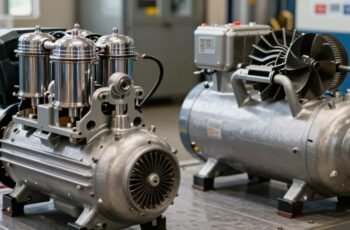
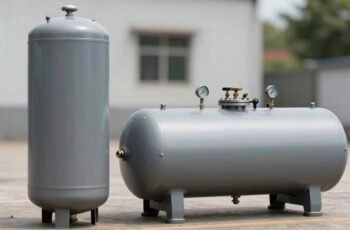
Did you know that the choice between gas and electric air compressors can substantially impact your work environment and efficiency? While many focus on power and portability, few consider how factors like noise levels, emissions, and power sources influence long-term performance. Understanding these nuances is essential to making an informed decision, especially when the right compressor can streamline your operations or limit your project’s scope. Let’s explore the key differences to help you determine which option best suits your needs.
Key Takeaways
- Gas compressors offer greater mobility and higher power, ideal for outdoor and demanding applications; electric units are quieter and suitable for indoor use.
- Gas models produce emissions and noise, limiting indoor use, while electric compressors operate quietly and with no emissions.
- Gas compressors generally have higher upfront costs and require fuel management, whereas electric models have lower operating costs but depend on electrical outlets.
- Electric compressors are more compact, easier to maintain, and better for light-duty or indoor tasks.
- Gas-powered units excel in continuous, high-demand tasks and outdoor environments where portability is essential.
What Are the Main Differences Between Gas and Electric Air Compressors?
While both gas and electric air compressors serve the same fundamental purpose—pressurizing air for various applications—their main differences lie in their power sources and operational characteristics. Gas compressors operate on internal combustion engines, providing mobility and independence from electrical outlets, making them ideal for remote or outdoor environments. They typically deliver higher power outputs and are capable of sustained operation under demanding conditions. Electric compressors rely on electrical power, offering quieter operation, lower emissions, and easier maintenance. They generally have a more compact design, making them suitable for indoor use or smaller-scale tasks. The choice between the two hinges on application demands, mobility requirements, and environmental factors, with each type optimized for specific operational contexts.
Pros and Cons of Gas-Powered Air Compressors for Home and Job Site Use
Gas-powered air compressors are often favored on job sites and for outdoor projects due to their portability and high power output. They excel in delivering continuous, high-pressure airflow necessary for demanding tasks like framing, tire inflation, or operating pneumatic tools in remote locations. Their independence from electrical outlets allows greater mobility, especially in outdoor environments. However, they come with notable drawbacks. They tend to be heavier and bulkier, complicating transportation and storage. Additionally, they produce emissions and noise, which can be disruptive and environmentally unfriendly. Maintenance is more intensive, involving fuel management and engine servicing. While their power advantage suits heavy-duty applications, their operational costs and environmental footprint make them less ideal for frequent, light-duty, or indoor use.
Advantages and Disadvantages of Electric Air Compressors for Indoor and Light-Duty Tasks
Electric air compressors are particularly well-suited for indoor and light-duty tasks because they operate quietly, produce no emissions, and generally require less maintenance than their gas-powered counterparts. Their quiet operation minimizes noise pollution, making them ideal for enclosed spaces and environments requiring low disturbance. The absence of exhaust emissions ensures safer indoor air quality, reducing health risks associated with fumes. Additionally, electric models typically have fewer moving parts, leading to simplified maintenance and increased reliability. However, their limitations include dependence on electrical outlets, which restrict mobility and operational range, especially in larger or remote work areas. Power output may also be limited compared to gas-powered units, impacting their ability to handle heavier or more demanding tasks. Overall, electric compressors excel in controlled, low-intensity applications, emphasizing safety and convenience.
How to Choose the Right Air Compressor Based on Your Needs and Environment
Choosing the right air compressor depends on a clear understanding of your specific operational needs and environmental constraints. To determine the most suitable model, consider parameters such as flow rate, pressure requirements, and power source. These factors directly influence compressor selection, ensuring efficiency and reliability.
| Application Type | Required CFM | Power Source |
|---|---|---|
| Light-duty tasks | 2-5 CFM | Electric |
| Industrial use | 10-20 CFM | Gas or Electric |
| Painting & Sandblasting | 15-30 CFM | Gas or Electric |
| Continuous operation | >30 CFM | Gas |
Assessing these variables helps tailor your choice, balancing performance with environmental considerations like noise, mobility, and emissions.
Common Questions About Gas and Electric Air Compressors Answered
Have you ever wondered which type of air compressor best suits your specific application? To clarify, gas-powered compressors excel in portability and outdoor use, offering high power without electrical dependency. They typically generate more noise and emissions, which can limit their indoor application. Conversely, electric compressors are generally quieter, more energy-efficient, and suitable for indoor environments, but they require a power source and may have limited mobility. When choosing between the two, consider operational demands, environment, and maintenance needs. Gas units often have higher upfront costs and require fuel management, while electric models tend to have lower running costs but depend on accessible electrical outlets. Understanding these distinctions helps optimize performance, safety, and cost-efficiency based on your specific operational context.
Frequently Asked Questions
How Does Maintenance Differ Between Gas and Electric Air Compressors?
We find that gas compressors require more frequent engine maintenance, including spark plugs and oil changes, while electric units demand less upkeep, mainly filter replacements and electrical inspections, making electric compressors generally easier and cheaper to maintain over time.
Are There Noise Level Differences Impacting Indoor or Outdoor Use?
Gas-powered compressors are louder, making them less suitable for indoor use due to noise restrictions, whereas electric models operate more quietly, ideal for indoor environments; outdoor applications favor gas units for their higher decibel levels and mobility.
What Safety Considerations Are Unique to Each Type?
We believe gas-powered compressors pose explosion risks and emit fumes, requiring ventilation and fire safety, while electric models risk electrical hazards and require proper grounding; both demand adherence to safety gear and operational protocols for safe use.
Can Gas Compressors Be Used Indoors Safely?
Gas compressors shouldn’t be used indoors due to dangerous carbon monoxide emissions and fire risks. We always recommend using electric compressors indoors, as they produce no harmful fumes and are safer in enclosed spaces when properly ventilated.
How Do Initial Costs Compare Between Gas and Electric Models?
We find electric compressors generally have lower initial costs, thanks to simpler design and fewer components, while gas models often require higher investment due to engine complexity, maintenance needs, and fuel compatibility—affecting overall budget considerations.
Conclusion
In weighing our options, we find that both gas and electric compressors offer unique advantages suited to specific environments and tasks. By understanding their operational nuances, we can make informed choices that optimize efficiency and sustainability. Whether prioritizing mobility or quiet operation, aligning our selection with these technical considerations guarantees we meet our project needs effectively. Ultimately, thoughtful evaluation guides us toward the most suitable compressor, enhancing our productivity while respecting our workspace’s demands.