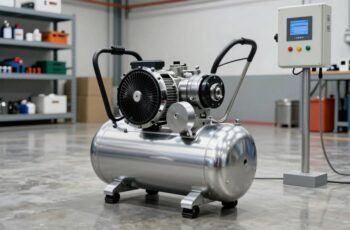
When it comes to maintaining efficient and reliable air compressor performance, understanding how to identify and troubleshoot common issues is essential. We recognize that early detection of problems like pressure drops, leaks, or overheating can prevent costly downtime and equipment damage. By systematically analyzing operational parameters and inspecting key components, we can address potential failures before they escalate. Let’s explore the critical steps involved in diagnosing and resolving these issues to keep your system running smoothly.
Key Takeaways
- Identify common issues through symptoms like pressure drops, unusual noises, and vibrations for early troubleshooting.
- Inspect components such as valves, belts, filters, and seals for wear, damage, or leaks.
- Address overheating, noise, and mechanical problems promptly to prevent component failure.
- Check electrical connections, motor functions, and safety devices to prevent motor failure and electrical hazards.
- Seek professional diagnosis and repairs for persistent or worsening problems to ensure safety and optimal compressor performance.
How Do I Identify Common Air Compressor Problems?
How can we effectively identify common air compressor problems before they escalate? By systematically analyzing operational parameters, we can detect early signs of issues. Monitoring fluctuations in pressure output, unusual noises, or excessive vibrations helps pinpoint mechanical or pneumatic failures. Inspecting components like valves, belts, and filters for wear or damage allows us to identify potential problems before they cause system failure. Additionally, tracking compressor temperature and checking for air leaks provides insight into internal inefficiencies. Regularly reviewing control panel alerts or diagnostic codes enhances our ability to diagnose problems proactively. Precise observation and data collection enable us to differentiate between minor anomalies and critical faults, ensuring timely intervention and preventing costly downtime or equipment damage.
Why Is My Air Compressor Not Producing Enough Pressure?
When an air compressor fails to produce adequate pressure, it often signals underlying mechanical or operational issues that require systematic evaluation. Common causes include insufficient power supply, which limits compressor performance, or internal component wear reducing compression efficiency. Check the pressure switch and safety valves to verify they’re functioning correctly—faulty components can prevent reaching desired pressure levels. Additionally, inadequate lubrication can cause internal friction and reduce compression capability. Blockages or restrictions within the intake filter or discharge lines also hinder airflow, lowering pressure output. Finally, a faulty or improperly calibrated pressure regulator may prevent the compressor from maintaining necessary pressure levels. Addressing these issues through precise diagnostics helps restore excellent performance and guarantees the compressor meets operational demands efficiently.
What Causes Air Leaks and How Can I Fix Them?
Air leaks are a common issue that can considerably diminish the efficiency and performance of an air compressor system. These leaks typically result from worn or damaged seals, loose fittings, or corrosion in piping. High-pressure joints and connections are especially vulnerable, as small defects can rapidly escalate into significant leaks. Identifying leaks requires systematic inspection, often using soapy water to detect escaping bubbles or ultrasonic leak detectors for precise pinpointing. Fixing leaks involves tightening fittings, replacing worn seals, or sealing small cracks with appropriate adhesives or sealants. In cases of extensive damage, component replacement may be necessary. Addressing leaks promptly ensures the system maintains peak pressure, reduces energy consumption, and prolongs equipment lifespan.
How Do I Troubleshoot Overheating and Noisy Operation?
When troubleshooting overheating and noisy operation, we start by evaluating ventilation and airflow to guarantee proper heat dissipation. Next, we inspect key compressor components for wear, misalignment, or damage that could generate excessive noise or heat buildup. Addressing these factors systematically helps identify underlying issues affecting performance.
Check Ventilation and Airflow
Have you considered that inadequate ventilation or restricted airflow could be causing your air compressor’s overheating or noisy operation? Poor ventilation limits heat dissipation, causing internal temperatures to rise beyond recommended levels, which can lead to thermal stress and component failure. Restricted airflow, whether from clogged filters, duct obstructions, or debris buildup, impairs the compressor’s ability to expel heat effectively. To troubleshoot, inspect ventilation openings for blockages and ensure intake and exhaust filters are clean and unobstructed. Verify that airflow pathways are clear and unobstructed, facilitating proper heat exchange. Adequate airflow is crucial for maintaining ideal operating temperatures; neglecting this can exacerbate overheating issues and generate excessive noise from internal components working under thermal strain.
Inspect Compressor Components
To effectively troubleshoot overheating and noisy operation, we must carefully inspect the compressor’s internal and external components for signs of wear, damage, or misalignment. Focus on checking the motor, belts, valves, and cooling system. Look for loose or worn belts, oil leaks, and abnormal vibrations. Confirm cooling fins and fans are clean and functioning properly to prevent heat buildup. Misaligned or damaged components can cause excessive noise and heat.
| Component | Inspection Focus | Potential Issue |
|---|---|---|
| Motor | Check for overheating, vibration | Worn bearings, electrical faults |
| Belts | Examine tension, wear | Slipping, cracking |
| Cooling System | Clean fins, verify fan operation | Dust buildup, fan failure |
| Valves & Fittings | Look for leaks, misalignment | Leaks, blockages |
What Are the Steps to Address Compressor Motor Failures?
Addressing compressor motor failures requires a systematic approach to diagnose and resolve the underlying issues effectively. First, we verify power supply integrity, checking circuit breakers, fuses, and wiring connections for faults or interruptions. Next, we assess the motor’s thermal protection devices, confirming they haven’t tripped due to overheating or overload conditions. We then perform insulation resistance tests to identify potential winding damage or shorts. If the motor shows signs of mechanical binding or abnormal noise, we disassemble and inspect the rotor, bearings, and shaft for wear or damage. Finally, we evaluate the motor’s electrical components, including capacitors and contactors, replacing any defective parts. This meticulous process ensures accurate diagnosis, enabling targeted repairs that restore motor functionality and prevent future failures.
How Can I Prevent Future Air Compressor Issues?
Implementing regular maintenance protocols is essential for preventing future air compressor issues. Routine inspections help identify wear and potential failures before they escalate, guaranteeing peak performance. Proper lubrication reduces friction and prevents component overheating, extending the lifespan of key parts. Additionally, monitoring operating parameters such as pressure, temperature, and vibration can detect anomalies early, facilitating timely interventions.
To maximize reliability, focus on:
- Scheduled filter and oil replacements to maintain clean, efficient operation
- Regular system calibration to ensure correct pressure settings
- Keeping detailed maintenance logs for trend analysis and predictive maintenance
When Should I Call a Professional for Repairs?
When performance issues persist despite troubleshooting, or if you notice unusual noises or odors, it’s a clear sign that professional intervention is necessary. These symptoms often indicate underlying mechanical or electrical problems beyond routine maintenance. Addressing these promptly can prevent further damage and costly repairs down the line.
Persistent Performance Issues
Persistent performance issues with your air compressor can indicate underlying mechanical or electrical faults that require expert diagnosis. These issues often manifest as inconsistent pressure output, prolonged cycle times, or failure to maintain operational capacity. When troubleshooting, consider the following indicators that warrant professional intervention:
- Sudden drops in pressure that cannot be stabilized
- Excessive cycling or frequent on/off switching
- Persistent overheating or electrical anomalies
These symptoms suggest potential problems such as worn piston rings, faulty pressure switches, or electrical component failures. Addressing these issues promptly is vital to prevent further damage or safety hazards. If troubleshooting does not resolve the issue or if these symptoms persist, it’s essential to involve a qualified technician to perform detailed diagnostics and necessary repairs.
Unusual Noise or Smell
Unusual noises or smells emanating from your air compressor often signal mechanical or electrical issues that require prompt professional assessment. Unusual sounds like knocking, squealing, or grinding may indicate bearing failure, misalignment, or worn components that can lead to catastrophic breakdown if unaddressed. Similarly, burning odors or the smell of electrical insulation melting suggest overheating or electrical shorts, posing safety risks. These symptoms typically develop gradually but can escalate rapidly, risking further damage or failure. If you notice persistent or intense noise or smell, it’s vital to cease operation and consult a qualified technician. Professional diagnosis guarantees accurate identification of underlying problems, preventing costly repairs and safeguarding operator safety. Immediate expert intervention is essential whenever these warning signs appear.
Frequently Asked Questions
How Often Should I Perform Maintenance on My Air Compressor?
We suggest performing regular maintenance on your air compressor every 1 to 3 months, depending on usage intensity. Frequent checks guarantee peak performance, prevent breakdowns, and extend lifespan by addressing issues like oil levels, filters, and pressure systems proactively.
What Safety Precautions Should I Follow During Troubleshooting?
We prioritize safety by disconnecting power, wearing protective gear, and ensuring proper ventilation. We avoid shortcuts, follow manufacturer instructions, and double-check pressure release, understanding that rigorous safety measures prevent accidents and equipment damage during troubleshooting.
Can Using the Wrong Oil Damage My Air Compressor?
Using the wrong oil can cause significant damage to your air compressor by reducing lubrication, increasing wear, and potentially causing overheating or component failure. We recommend always using the manufacturer-specified oil to maintain peak performance and longevity.
How Do Environmental Factors Affect Compressor Performance?
Environmental factors greatly impact compressor performance, with studies showing 60% of failures linked to temperature and humidity issues. We analyze how extreme conditions cause corrosion, overheating, and efficiency loss, emphasizing the importance of proper environmental controls for ideal operation.
What Are Signs of Imminent Compressor Failure?
We observe signs like unusual noises, excessive vibration, and overheating, which indicate imminent failure. Increased cycle times, pressure drops, and oil leaks also serve as critical indicators that maintenance or replacement is urgently needed to prevent catastrophic breakdowns.
Conclusion
In summary, proactive troubleshooting and regular maintenance are essential for peak compressor performance. For instance, we once identified a pressure drop caused by minor leakages in a system, preventing costly downtime. By promptly addressing issues like leaks, overheating, or motor faults, we extend equipment lifespan and guarantee safety. Staying vigilant and knowing when to seek professional help allows us to maintain efficiency and avoid unexpected failures, ultimately saving time and resources.