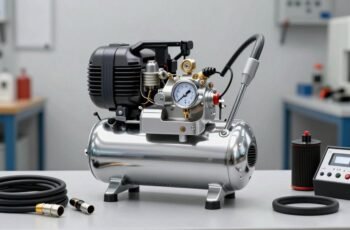
Choosing the right air compressor tank involves a careful analysis of factors like type, size, material, and safety features, all critical to ensuring operational efficiency and safety. We recognize that making an informed decision can be complex, especially when balancing performance requirements with budget constraints. By systematically evaluating these key aspects, you can optimize your investment for long-term reliability, but understanding the nuances of each element is essential to avoid costly mistakes.
Key Takeaways
- Choose the tank type (horizontal or vertical) based on space availability and stability needs.
- Select the appropriate size and capacity based on your airflow requirements and usage frequency.
- Ensure safety features like pressure relief valves and corrosion-resistant construction are included.
- Regularly inspect and maintain the tank, focusing on corrosion signs and proper drainage practices.
- Opt for reputable brands with proven durability, warranties, and good long-term performance track records.
What Are the Key Types of Air Compressor Tanks?
Understanding the key types of air compressor tanks is essential for selecting the right equipment for specific applications. There are primarily two main types: horizontal and vertical tanks. Horizontal tanks are generally more stable, offering a lower center of gravity, making them suitable for stationary setups where space allows. Vertical tanks, on the other hand, save floor space and are often preferred in environments with limited space. Additionally, tanks come in different materials, such as steel and aluminum, impacting durability and weight. Steel tanks are more common due to their strength and cost-effectiveness, while aluminum tanks are lighter and resistant to corrosion. Recognizing these distinctions helps us match tank design to operational needs, ensuring efficiency and longevity in varied industrial and commercial applications.
How Do You Determine the Right Size for Your Needs?
Choosing the appropriate size for your air compressor tank hinges on evaluating your specific operational demands. We start by calculating the required airflow, measured in cubic feet per minute (CFM), based on the tools and machinery you’ll operate. A higher CFM demand necessitates a larger tank to maintain consistent pressure and reduce compressor cycling. Next, consider the duty cycle and the duration of continuous use; longer runs benefit from larger tanks to prevent pressure drops. Additionally, frequency of use influences tank size—occasional use may suffice with smaller tanks, while frequent or industrial applications require larger capacities. Finally, assess available space and budget constraints. By analyzing these factors, you can determine a tank size that optimizes performance, efficiency, and longevity for your specific application.
Which Materials Make Air Compressor Tanks Durable and Safe?
The durability and safety of air compressor tanks primarily depend on the materials used in their construction, as these determine the tank’s ability to withstand high internal pressures and resist corrosion over time.
- Steel: Provides high strength and durability, capable of handling extreme pressures while resisting deformation. Its robustness minimizes the risk of rupture under stress.
- Aluminum: Offers a lightweight alternative with excellent corrosion resistance. Though less durable than steel, it still maintains structural integrity in many applications.
- Composite materials: Incorporate fibers or resins for enhanced strength-to-weight ratio and corrosion resistance, though they require precise manufacturing to ensure safety and longevity.
Choosing the right material directly influences safety and operational longevity of the tank.
What Features Should You Look for in an Air Compressor Tank?
Selecting an air compressor tank with the right features is essential for ensuring ideal performance, safety, and durability. Key features include a robust pressure relief valve, which prevents over-pressurization by automatically releasing excess air. A reliable drain valve is critical for moisture management, reducing corrosion risk inside the tank. Inspection ports or gauges enable continuous monitoring of internal pressure and tank integrity, facilitating preventative maintenance. Additionally, reinforced mounting brackets and sturdy construction materials enhance stability and longevity under operational stresses. Consider tanks with corrosion-resistant coatings or stainless steel construction for environments with high humidity or corrosive elements. Finally, integrated shut-off mechanisms can improve efficiency by reducing energy consumption during idle periods. These features collectively optimize operational safety, lifespan, and performance reliability.
How Do Pressure Ratings Affect Tank Selection?
Understanding pressure ratings is vital because they directly influence the safety and operational efficiency of an air compressor tank. Higher pressure ratings indicate the tank’s capacity to withstand internal forces without failure. When selecting a tank, consider these key factors:
- Maximum Working Pressure (MWP): Guarantees the tank can handle your system’s operating pressure, preventing over-pressurization.
- Burst Pressure: Indicates the safety margin; a higher burst pressure reduces risk during pressure spikes.
- Pressure Rating Certification: Validates the tank’s compliance with safety standards, verifying it’s tested for specified pressures.
Choosing a tank with an appropriate pressure rating minimizes risk of failure, optimizes performance, and prolongs lifespan, making technical compatibility indispensable for safe operation.
What Are the Safety Considerations When Buying an Air Compressor Tank?
Ensuring safety when purchasing an air compressor tank requires careful attention to several critical factors that directly impact operational integrity and personal safety. First, verify the tank’s material integrity, ensuring it’s constructed from high-quality, corrosion-resistant metals like welded steel or aluminum, which withstand pressure without compromising strength. Next, check the pressure relief valve’s functionality, ensuring it’s properly rated and compliant with safety standards to prevent over-pressurization. Inspection for visible signs of corrosion, cracks, or damage is essential, as these can compromise structural integrity. Additionally, confirm the tank’s certification labels from recognized safety organizations, such as ASME, indicating adherence to safety codes. Proper installation, grounding, and regular maintenance are also essential to mitigate risks associated with pressure vessel failure.
How Much Should You Expect to Spend on a Quality Tank?
The cost of a high-quality air compressor tank varies considerably based on factors such as size, material, pressure capacity, and manufacturer reputation. Typically, you can expect to spend:
- Small, portable tanks (30-60 gallons): $200–$600, suitable for light-duty tasks and limited space.
- Mid-sized, industrial models (60-120 gallons): $600–$1,500, designed for more demanding applications with higher pressure ratings.
- Large, commercial tanks (over 120 gallons): $1,500–$3,000+, optimized for continuous operation and heavy industrial use.
These ranges reflect differences in manufacturing quality, material durability, and capacity, all critical for guaranteeing long-term performance and safety. Investing appropriately assures operational reliability and compliance with safety standards.
How Do You Maintain and Care for Your Air Compressor Tank?
Proper maintenance of an air compressor tank involves systematic drainage to remove accumulated moisture, which prevents internal corrosion. Regular inspections for signs of rust or damage are essential to guarantee structural integrity and safety. Additionally, employing appropriate storage techniques minimizes exposure to environmental factors that could compromise the tank’s condition.
Regular Drainage Procedures
How often do we check and drain our air compressor tanks to prevent moisture buildup and corrosion? Regular drainage is vital for peak performance and longevity. We recommend performing this maintenance at least once daily if used heavily, or weekly for lighter use. During drainage, three critical steps should be followed:
- Open the drain valve slowly to release accumulated water, observing the flow rate to ensure complete removal.
- Collect and inspect the drained water for signs of oil or debris, indicating potential internal issues.
- Close the valve securely to prevent air leaks, maintaining system pressure and efficiency.
Consistent drainage prevents moisture-related corrosion, which can compromise tank integrity and operational safety. Incorporating this process into routine maintenance ensures long-term reliability and performance stability.
Inspection for Corrosion
Regular drainage removes accumulated water that can promote internal corrosion, but it’s equally important to inspect the tank visually for signs of rust or pitting. External examination should focus on corrosion spots, surface discoloration, or bubbling paint, which indicate underlying deterioration. Internally, a thorough inspection involves listening for unusual noises and checking for moisture buildup. The following table outlines common corrosion indicators and their implications:
| Indicator | Significance |
|---|---|
| Rust patches | Surface corrosion, potential structural weakness |
| Pitting or holes | Severe internal corrosion, risk of failure |
| Discoloration or bubbling | Protective coating failure, exposure to elements |
| Flaking paint | Surface corrosion, potential for rust spread |
| Moisture accumulation | Internal corrosion risk, compromised tank integrity |
Proper Storage Techniques
Maintaining the integrity of an air compressor tank requires deliberate storage practices that minimize exposure to environmental factors accelerating corrosion or damage. Proper storage guarantees longevity and ideal performance. First, store the tank indoors in a dry, temperature-controlled environment to prevent moisture accumulation, which promotes rust. Second, confirm the tank is completely drained of compressed air after use, preventing internal moisture buildup that can lead to corrosion. Third, periodically inspect and apply protective coatings or rust inhibitors to exposed surfaces, creating a barrier against environmental moisture. These steps reduce oxidative processes, preserve structural integrity, and extend the tank’s service life. Consistent adherence to these storage practices is essential for maintaining operational safety and efficiency over time.
Which Brands Offer Reliable and Cost-Effective Air Compressor Tanks?
When selecting an air compressor tank, identifying brands that deliver both reliability and affordability is essential for guaranteeing long-term performance without overspending. Reputable brands like Ingersoll Rand, Campbell Hausfeld, and Quincy offer tanks known for durability and consistent performance, backed by extensive warranties. These manufacturers utilize high-quality materials and rigorous manufacturing standards, minimizing failure risks and optimizing efficiency. Cost-effective options are often available from brands such as DEWALT and Porter-Cable, which balance affordability with acceptable durability and safety features. It’s vital to evaluate each brand’s track record, customer reviews, and technical specifications to ensure the tank meets your operational demands. Prioritizing established, well-reviewed brands ensures a reliable, economically sound investment that sustains performance over time.
Frequently Asked Questions
How Often Should I Replace My Air Compressor Tank?
We recommend replacing your air compressor tank every 10 to 15 years, depending on usage, corrosion, and inspection results. Regular maintenance, including inspections for rust and damage, helps guarantee safety and prolongs its service life effectively.
Can I Use a Used Tank for My Compressor?
Using a used tank is like trusting a seasoned guardian; we check for corrosion, cracks, and safety certifications before integrating it. These measures guarantee reliable performance, minimizing risks from unseen damage or wear.
What Are Common Signs of Tank Failure?
We observe common signs of tank failure, such as rust, corrosion, visible cracks, leaks, or inconsistent pressure gauges. Regular inspection helps identify these issues early, preventing catastrophic failures and ensuring safe, efficient compressor operation for our projects.
Are There Specific Regulations for Residential Tanks?
Think of residential tanks like delicate ecosystems—specific regulations guarantee safety and compliance. We’ve seen local codes require pressure relief valves and regular inspections, emphasizing the importance of adhering to standards that protect both users and property.
How Do I Safely Disconnect and Relocate My Tank?
We disconnect and relocate our tank by turning off the power, releasing pressure, draining residual air, disconnecting hoses, and carefully moving the unit using proper lifting techniques, ensuring safety and compliance with local regulations throughout the process.
Conclusion
Choosing the right air compressor tank involves nuanced decisions that directly impact safety, efficiency, and longevity. As we’ve explored, factors like size, material, and safety features are interconnected, demanding careful analysis. But the true challenge lies in balancing these elements within your specific application—an ongoing process that can reveal unforeseen considerations. Only by understanding these complexities can you optimize your investment and guarantee dependable performance over time. The question remains: are you ready to make that critical choice?