Overheating in air compressors is a common but often overlooked issue that can lead to significant downtime and costly repairs. Understanding the precise causes—such as poor ventilation or excessive workload—is critical for effective management. We’ll explore how to identify early signs of trouble and implement preventative measures that keep your system running efficiently. Recognizing these factors early can make all the difference in avoiding severe damage, so let’s examine what you need to know.
Key Takeaways
- Overheating often results from poor ventilation, excessive workload, or clogged cooling components.
- Signs include elevated temperature, unusual noises, pressure drops, and burnt smells.
- Regular cleaning, oil changes, and airflow maintenance prevent overheating issues.
- Troubleshoot by checking for airflow obstructions, lubrication levels, and pressure settings.
- Seek professional help if overheating persists or if there are signs of internal component damage.
What Causes Air Compressor Overheating?
Air compressor overheating often results from inadequate ventilation or excessive workload, which causes internal components to generate more heat than the cooling system can dissipate. When ventilation is insufficient, hot air accumulates around critical parts like the motor and compressor elements, impairing heat transfer. An overload condition forces the compressor to operate beyond its designed capacity, increasing friction and heat production. Additionally, poor maintenance—such as dirty or clogged cooling fins and filters—reduces heat dissipation efficiency. Faulty or undersized cooling systems further exacerbate overheating issues. Mechanical failures, such as worn bearings or misaligned belts, also increase internal friction, generating excess heat. These factors collectively hinder heat removal, leading to elevated temperatures and potential component damage if not addressed promptly.
How to Recognize Signs of Overheating in Your Compressor?
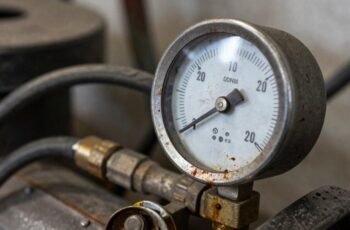
Recognizing the signs of overheating in your compressor is essential for preventing more severe damage and ensuring ideal performance. Elevated temperature indicators include a noticeable increase in operating temperature beyond manufacturer specifications, often detected through temperature gauges or thermal sensors. Unusual noises such as knocking or hissing can signal internal component stress caused by heat expansion. Additionally, a drop in efficiency or pressure output may indicate thermal-related performance degradation. Discoloration or abnormal smell of burnt components further suggests overheating. Vibration levels might also intensify due to thermal expansion of parts. Timely identification of these signs allows for prompt intervention, minimizing wear and preventing catastrophic failure. Systematic monitoring of temperature readings and operational behavior is key for early detection and maintenance planning.
Essential Maintenance Tips to Prevent Overheating
To effectively prevent overheating in your compressor, consistent and targeted maintenance is vital. Regularly inspecting and cleaning cooling systems, such as fans and heat exchangers, guarantees ideal heat dissipation. Monitoring lubrication levels and changing oils at recommended intervals reduces friction and heat buildup. Tightening electrical connections prevents excessive resistance, which can generate additional heat. Additionally, inspecting and replacing worn or damaged components minimizes the risk of heat accumulation due to mechanical inefficiencies. Implementing scheduled maintenance based on manufacturer guidelines helps identify potential issues before they escalate. Maintaining proper airflow around the unit and ensuring filters are unobstructed also plays an important role. Overall, a proactive, data-driven approach to maintenance enhances thermal regulation and reduces the likelihood of overheating.
Troubleshooting Common Overheating Problems
When an air compressor begins to overheat unexpectedly, it often indicates underlying issues that require systematic diagnosis. First, check for airflow obstructions; clogged filters or blocked vents restrict cooling and cause heat buildup. Next, assess lubrication levels—insufficient or degraded oil increases friction and temperature. Examine the pressure settings; excessively high pressure can strain components and generate excess heat. Additionally, inspect for leaks or damaged seals that compromise system efficiency and cause overheating. Electrical issues, such as faulty wiring or control faults, can also lead to overheating by causing inconsistent operation or motor overloads. Finally, verify the ambient temperature and ventilation; poor airflow around the unit impairs cooling capacity. Addressing these factors methodically helps identify root causes and prevents further damage.
When to Seek Professional Help for Overheating Issues
While some minor overheating issues can be addressed through routine maintenance, persistent or severe overheating warrants professional intervention. If the compressor continues to overheat despite cleaning filters, checking cooling systems, and adjusting load, it indicates underlying mechanical or electrical problems beyond basic troubleshooting. Signs such as frequent overheating cycles, unusual noises, or safety shutdowns suggest potential motor failure, faulty thermostats, or blocked ventilation that require expert diagnosis. Ignoring these symptoms risks damage to internal components, reduced efficiency, or complete compressor failure. When thermal protection mechanisms activate repeatedly or overheating occurs under normal operating conditions, it’s essential to consult a qualified technician. Professional assessment guarantees proper repair, prevents costly downtime, and maintains safety standards vital for reliable compressor operation.
Frequently Asked Questions
How Does Ambient Temperature Affect Compressor Overheating?
Ambient temperature directly impacts compressor overheating by reducing heat dissipation efficiency; higher temperatures hinder cooling, causing internal components to overheat faster. We analyze ambient conditions carefully to optimize cooling strategies and prevent thermal failure.
Can Using Incorrect Oil Cause Compressor Overheating?
Using incorrect oil can definitely cause compressor overheating because improper viscosity or additives impair lubrication, increase friction, and reduce cooling efficiency. This leads to excess heat buildup, component stress, and ultimately, system failure if not corrected promptly.
What Role Does Airflow Play in Preventing Overheating?
Airflow is the lifeblood of a compressor’s cooling system, like a steady heartbeat preventing overheating. We guarantee proper airflow by maintaining clean filters, unobstructed vents, and adequate ventilation, which helps dissipate heat efficiently and sustain ideal operation.
Are There Specific Brands More Prone to Overheating Issues?
Certain brands, like those with lower-quality components or insufficient cooling systems, tend to be more prone to overheating. We recommend thoroughly researching brand reputations, user reviews, and technical specifications to identify models with better thermal management and durability.
How Often Should I Replace Compressor Parts to Avoid Overheating?
We suggest replacing compressor parts regularly, typically every 1,000 to 2,000 hours of operation or annually, to prevent overheating. Consistent checks and timely replacements guarantee peak performance, minimizing heat buildup and avoiding costly breakdowns.
Conclusion
Understanding the causes and signs of air compressor overheating helps us maintain ideal performance and prevent costly damage. Are we truly doing enough with regular maintenance and monitoring? By staying vigilant and addressing issues promptly, we can guarantee reliable operation and extend our equipment’s lifespan. Remember, proactive troubleshooting and professional inspections when needed are essential. Isn’t safeguarding our investment worth the effort to keep our compressors running cool and efficient?