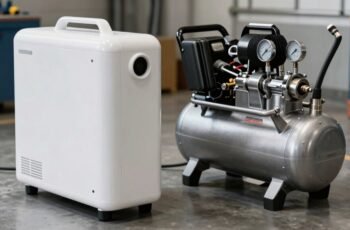
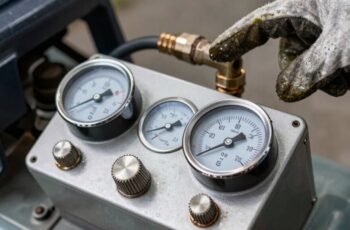
It’s hard to overstate just how transformative eco-friendly air compressors can be for modern industrial and commercial operations. These systems are engineered to optimize energy efficiency and reduce environmental impact without sacrificing performance. As sustainability becomes increasingly integral to operational success, understanding the technological advancements and long-term benefits of these compressors is essential. We invite you to explore how integrating eco-conscious solutions could redefine your approach to air compression—because the future of sustainable industry depends on it.
Key Takeaways
- Look for models with variable speed drives (VSDs) to optimize energy use based on demand.
- Prioritize compressors with heat recovery systems to reuse waste heat and enhance efficiency.
- Choose brands like Atlas Copco, Ingersoll Rand, or Kaeser for reliable, eco-friendly compressor technologies.
- Consider the total cost of ownership, including energy savings and maintenance, over initial purchase price.
- Ensure compatibility with your workload to prevent operational issues during heavy use.
What Are Eco-Friendly Air Compressors and How Do They Work?
Eco-friendly air compressors are designed to minimize environmental impact while maintaining high performance. They incorporate advanced technology to reduce energy consumption, such as variable speed drives that adjust motor output based on demand, preventing unnecessary power use. These compressors often utilize innovative components like electronically commutated motors (ECMs), which are more efficient than traditional motors, and employ enhanced heat recovery systems to reuse waste heat, further decreasing energy loss. Additionally, they typically use environmentally benign lubricants and eco-friendly refrigerants, reducing emissions. The core operation involves compressing air with minimal energy waste by optimizing airflow and pressure regulation. This sustainable design guarantees that productivity remains high while considerably lowering carbon footprint, making eco-friendly compressors a smart choice for environmentally conscious industries seeking efficiency and sustainability.
Key Benefits of Choosing Eco-Friendly Air Compressors for Your Projects
By choosing eco-friendly air compressors, we considerably reduce energy consumption and operational costs, which directly benefits project budgets and sustainability goals. These systems leverage variable speed drives and advanced control technologies to optimize energy use, resulting in lower electricity bills and a smaller carbon footprint. Additionally, eco-friendly compressors often produce less heat and noise, enhancing workplace safety and comfort. Their design minimizes oil and lubricant waste, promoting a cleaner environment and reducing disposal costs. The improved efficiency also extends equipment lifespan, decreasing maintenance and replacement expenses. Overall, adopting these compressors aligns with sustainable practices, helping us meet regulatory standards while supporting corporate social responsibility initiatives. They deliver reliable performance with a reduced environmental impact, making them a smart investment for eco-conscious projects.
Top Features to Look for in Sustainable Air Compression Technology
When selecting sustainable air compression technology, it’s essential to prioritize features that maximize efficiency and minimize environmental impact. Key attributes include advanced variable speed drives, which optimize energy use based on demand, and integrated heat recovery systems that reuse waste heat for other processes. Additionally, low-friction, high-efficiency components reduce internal losses, further improving sustainability. These features collectively enhance operational performance while lowering carbon footprints.
- Variable speed drives for adaptive power management
- Heat recovery systems for energy reuse
- High-efficiency, low-friction components to reduce losses
How Eco-Friendly Compressors Reduce Energy Consumption and Emissions
Advanced features such as variable speed drives and heat recovery systems enable eco-friendly compressors to markedly cut energy consumption. Variable speed drives adjust motor output to match demand precisely, preventing excess energy use during low-demand periods. This dynamic regulation minimizes waste and optimizes operational efficiency. Heat recovery systems reclaim waste heat generated during compression, repurposing it for process heating or facility use, reducing reliance on external energy sources. These innovations collectively lower the overall energy footprint of the compressor, resulting in reduced greenhouse gas emissions. Additionally, precise control over compressor operation minimizes electrical load fluctuations, further enhancing sustainability. By integrating these advanced features, eco-friendly compressors deliver significant reductions in energy consumption and emissions, supporting environmental goals without compromising performance.
Comparing Cost Savings: Eco-Friendly vs. Traditional Air Compressors
We recognize that eco-friendly air compressors deliver superior energy efficiency, translating to lower operational costs over time. By reducing energy consumption, these systems offer significant long-term savings compared to traditional models. Analyzing the upfront investment against ongoing expenses helps highlight the true cost advantages of sustainable equipment.
Energy Efficiency Benefits
Eco-friendly air compressors typically deliver significant energy savings compared to traditional models, thanks to their optimized motor designs and advanced control systems. These innovations enable the compressors to operate more efficiently, reducing power consumption during both peak and idle phases. By incorporating variable speed drives and intelligent load management, they adapt to real-time demand, minimizing wasted energy.
- Reduced power draw due to variable speed technology
- Enhanced system control via smart sensors
- Lower standby energy usage through optimized startup/shutdown cycles
These features translate into substantial reductions in energy costs and a smaller carbon footprint. Their ability to fine-tune performance ensures maximum efficiency with less waste, making them an essential upgrade for sustainable operations and long-term savings.
Long-Term Cost Advantages
Over the long term, eco-friendly air compressors offer significant cost savings compared to traditional models by reducing energy consumption and maintenance expenses. Their advanced designs and sustainable components lower operational costs, providing a compelling economic advantage. The table below highlights key savings areas:
| Cost Aspect | Eco-Friendly Compressor | Traditional Compressor |
|---|---|---|
| Energy Consumption | Up to 30% lower | Higher utility bills |
| Maintenance Frequency | Reduced due to durable parts | More frequent repairs |
| Lubrication Costs | Less frequent replacements | Higher due to wear |
| Lifecycle Duration | Extended lifespan | Shorter lifespan |
| Overall Savings | Significant over time | Less economical |
Adopting eco-friendly models guarantees both environmental benefits and long-term financial efficiency.
Best Applications for Eco-Friendly Air Compressors in Industry and Home Use
Eco-friendly air compressors are increasingly essential across diverse sectors, offering sustainable solutions without compromising performance. Their low energy consumption and reduced emissions make them ideal for applications demanding efficiency and environmental responsibility. In industrial settings, they excel in manufacturing lines, powering pneumatic tools, and controlling automated systems with minimal carbon footprint. At home, these compressors support DIY projects, airbrushing, and small-scale repairs, providing reliable performance while conserving energy. Their quiet operation and lower maintenance needs further enhance their appeal.
- Manufacturing and assembly lines
- Automotive repair and maintenance
- Home workshops and hobbyist projects
Maintenance Tips to Keep Your Green Air Compressor Running Efficiently
Maintaining your green air compressor in ideal condition guarantees it continues to operate efficiently and minimizes environmental impact. Regularly inspecting and replacing filters prevents clogging and ensures peak airflow, reducing energy consumption. Lubrication of moving parts with eco-friendly oils minimizes wear and prolongs lifespan without harmful emissions. Drain moisture from tanks daily to prevent corrosion and maintain air purity. Monitoring pressure levels with precision controls avoids unnecessary energy use and compressor strain. Keep the cooling system clean, checking for blockages that could cause overheating and inefficiency. Routine calibration of sensors and safety devices ensures accurate operation. Adopting a proactive maintenance schedule not only preserves performance but also aligns with sustainable practices, reducing resource waste and lowering the compressor’s carbon footprint over its operational lifetime.
Common Challenges and How to Overcome Them With Eco-Friendly Models
Although eco-friendly air compressors are designed to address environmental concerns, they often present unique operational challenges that require targeted solutions. One common issue is the initial cost, which can be higher due to advanced technology and sustainable components. Additionally, some models may struggle with maintaining consistent airflow under heavy loads, impacting efficiency. Limited availability of repair parts specific to eco-friendly designs can also hinder maintenance efforts.
To overcome these challenges:
- Invest in thorough training to optimize operation and maintenance.
- Select models with proven performance under load and reliable support networks.
- Incorporate energy management systems to enhance efficiency and extend lifespan.
Addressing these challenges ensures eco-friendly compressors perform reliably while minimizing environmental impact.
Leading Brands Offering Eco-Friendly Air Compressors in the Market
We recognize the leading manufacturers pioneering eco-friendly air compressors that integrate innovative energy-saving features and sustainable technologies. These brands prioritize efficiency and environmental impact, employing advanced compressor designs that reduce carbon emissions. By examining their options, we can identify solutions that align with our commitment to sustainable industry practices.
Top Eco-Friendly Manufacturers
Several leading brands have prioritized sustainability by developing eco-friendly air compressors that minimize energy consumption and reduce environmental impact. These manufacturers leverage advanced technologies, such as variable speed drives and precision engineering, to optimize efficiency and lower emissions. For instance, *Atlas Copco* integrates energy-efficient motors and eco-friendly lubricants, while *Ingersoll Rand* emphasizes innovative design that reduces power usage and noise levels. *Kaeser* focuses on modular systems that enhance performance with minimal resource input. These brands set industry standards through rigorous sustainability practices, ensuring their products deliver high performance with reduced carbon footprints. Their commitment to eco-conscious manufacturing makes them top choices for businesses seeking environmentally responsible compressed air solutions without compromising reliability or productivity.
Innovative Energy-Saving Features
Leading brands in the industry are incorporating innovative energy-saving features into their eco-friendly air compressors to further reduce environmental impact while maintaining high performance. These features include variable speed drive (VSD) technology, which dynamically adjusts motor speed to match demand, minimizing energy waste during partial loads. Additionally, advanced control systems optimize compressor operation, reducing idle time and ensuring efficient energy use. Some models utilize heat recovery systems that capture waste heat for other processes, lowering overall energy consumption. Variable inlet valve technology also contributes by modulating airflow based on real-time requirements, preventing unnecessary compression. These technological advancements demonstrate a commitment to sustainability, delivering reliable, high-efficiency performance while considerably decreasing power consumption and carbon footprint.
Sustainable Compressor Technologies
Many top brands in the air compressor industry are now prioritizing sustainability by offering advanced, eco-friendly models that incorporate cutting-edge technology. These sustainable compressor technologies focus on reducing energy consumption, minimizing emissions, and enhancing operational efficiency. They utilize variable frequency drives (VFDs) to optimize power use based on demand, substantially lowering energy waste. Additionally, some models incorporate eco-friendly lubricants and heat recovery systems to reduce environmental impact further.
- VFD technology: Adjusts motor speed dynamically for precise energy control.
- Oil-free compressors: Eliminate oil-related emissions, improving air quality.
- Heat recovery systems: Capture waste heat for other industrial processes, reducing overall energy use.
These innovations exemplify how leading brands are aligning performance with sustainability goals, making eco-conscious choices more accessible.
Is an Eco-Friendly Air Compressor the Right Choice for Your Needs?
Is an eco-friendly air compressor the right choice for your application? To determine this, we need to assess operational efficiency, energy consumption, and environmental impact. Eco-friendly models often feature variable speed drives, reducing energy waste during low-demand periods, making them more sustainable over time. They also emit fewer greenhouse gases and use environmentally safe lubricants, aligning with corporate sustainability goals. However, initial costs and maintenance requirements can be higher, so it’s essential to analyze your workload patterns and long-term savings. For industrial applications prioritizing energy efficiency and reduced carbon footprint, eco-friendly compressors offer a strategic advantage. If your operations demand consistent high output with minimal environmental impact, adopting an eco-friendly compressor aligns with both operational and sustainability objectives.
Frequently Asked Questions
How Long Is the Typical Lifespan of an Eco-Friendly Air Compressor?
Eco-friendly air compressors typically last 10 to 15 years with proper maintenance, emphasizing energy efficiency and sustainability. We recommend regular servicing and using high-quality components to maximize their lifespan and reduce environmental impact over time.
Are Eco-Friendly Air Compressors Suitable for High-Demand Industrial Applications?
Eco-friendly air compressors are increasingly suitable for high-demand industrial applications, with studies showing up to 30% energy savings. We believe their sustainable design maintains performance while reducing environmental impact, making them a technically viable, eco-conscious choice.
What Maintenance Practices Are Unique to Eco-Friendly Compressor Models?
We perform regular filter replacements, monitor energy consumption closely, and use sustainable lubricants tailored for eco-friendly models, ensuring peak performance, reducing emissions, and extending lifespan. These practices support both efficiency and environmental responsibility in our operations.
Can Eco-Friendly Compressors Be Retrofitted Into Existing Systems?
Yes, eco-friendly compressors can be retrofitted into existing systems. We evaluate compatibility, upgrade controls, and optimize system integration to guarantee energy efficiency and sustainability, making the shift smooth while reducing environmental impact effectively.
Are There Government Incentives for Upgrading to Eco-Friendly Air Compressors?
Yes, there are government incentives like tax credits and grants for upgrading to eco-friendly air compressors. We recommend researching local policies and programs, as these incentives can considerably offset initial investment costs and promote sustainable industrial practices.
Conclusion
Just as the pioneers of industry once harnessed steam for progress, today we can channel innovation toward sustainability. Eco-friendly air compressors represent a conscious step forward—balancing performance with environmental stewardship. By embracing these advanced systems, we not only optimize our operations but also contribute to a greener future. Let’s lead the charge, forging a path where technological excellence and ecological responsibility go hand in hand, ensuring a legacy of sustainable progress for generations to come.