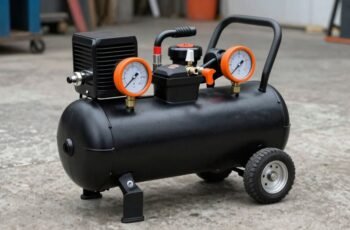
Did you know that the fundamental difference between oil-free and oil-lubricated air compressors lies in how they manage internal friction and contamination? While oil-lubricated models use oil to reduce wear and dissipate heat, oil-free units rely on specialized materials to eliminate oil altogether. This distinction influences their performance, maintenance, and suitability for various applications—factors that are essential to understand when selecting the right compressor for your needs.
Key Takeaways
- Oil-free compressors produce cleaner air, ideal for medical, food, or pharmaceutical applications.
- Oil-lubricated compressors offer higher durability and better performance under heavy-duty or continuous use.
- Oil-free units require less maintenance, with no oil changes, reducing operational costs over time.
- Oil-lubricated models provide superior heat dissipation and stability for demanding industrial tasks.
- Choice depends on air quality needs, environment, budget, and maintenance preferences.
How Do Oil-Free and Oil-Lubricated Compressors Work Differently?
Although both oil-free and oil-lubricated compressors serve the same fundamental purpose of compressing air, they operate through distinct mechanisms that influence their performance and maintenance. Oil-lubricated compressors use a system of oil to reduce friction between moving parts, ensuring smooth operation and cooling. This oil circulates within the compression chamber, creating a sealed environment that minimizes wear and heat buildup. In contrast, oil-free compressors eliminate oil from the compression chamber entirely, relying on alternative materials like piston rings or special coatings to reduce friction. Their design incorporates either self-lubricating components or non-metallic parts, which simplifies maintenance and reduces contamination risks. These fundamental differences in lubrication methods directly affect efficiency, durability, and suitability for specific applications.
What Are the Main Advantages of Oil-Free Air Compressors?
Oil-free air compressors offer several key advantages that make them particularly suitable for specific industries and applications. They eliminate the risk of oil contamination, ensuring cleaner, purer compressed air essential for sensitive processes like pharmaceuticals, food production, and electronics manufacturing. Their design reduces maintenance requirements by removing the need for oil changes and associated filtration systems, leading to lower operational costs and less downtime. Additionally, oil-free compressors tend to operate more quietly, which is beneficial in environments with strict noise regulations. They also typically have a longer lifespan due to fewer moving parts and less wear from oil-related degradation. Overall, these features contribute to improved air quality, lower maintenance, and operational efficiency, making oil-free compressors a strategic choice where purity and reliability are paramount.
Why Choose an Oil-Lubricated Air Compressor for Heavy-Duty Tasks?
When tackling heavy-duty tasks, the demands on an air compressor’s durability and performance increase considerably. Oil-lubricated compressors excel in this environment due to superior heat dissipation, reduced wear, and sustained operational reliability. The oil acts as a lubricant and coolant, enabling longer service life under continuous operation. Additionally, oil-lubricated units maintain stable pressure levels, which is essential for precision tasks. Below is a comparison of key attributes:
| Feature | Oil-Lubricated Compressor | Oil-Free Compressor |
|---|---|---|
| Durability | High | Moderate |
| Maintenance | Regular oil changes | Minimal |
| Operating Life | Longer | Shorter |
| Heat Dissipation | Superior | Limited |
| Suitability for Heavy Duty | Excellent | Less ideal |
Choosing oil-lubricated models guarantees resilience and consistent performance in demanding applications.
Which Factors Should You Consider When Picking Between the Two Types?
Selecting the appropriate air compressor requires a careful evaluation of several critical factors that influence performance, cost, and suitability for specific applications. Key considerations include air quality requirements, operational environment, and maintenance demands. Oil-free compressors typically produce cleaner air, making them suitable for industries with strict hygiene standards, such as food and pharmaceuticals. Conversely, oil-lubricated units excel in durability and continuous operation, ideal for heavy-duty tasks. Additionally, initial investment costs and long-term maintenance expenses differ markedly; oil-free models often have higher upfront costs but lower ongoing maintenance. Noise levels, energy efficiency, and available space also influence selection, as oil-free units tend to be quieter and more compact. Ultimately, balancing these factors ensures ideal performance aligned with operational needs and budget constraints.
Are There Any Common Maintenance or Cost Differences to Know?
Maintenance and ongoing costs considerably influence the overall value of air compressor choices. Oil-free compressors generally require less upkeep due to the absence of oil systems, eliminating the need for oil changes, filters, and related components. This reduction in consumables translates to lower operational costs over time. Conversely, oil-lubricated compressors demand regular oil changes, filter replacements, and more frequent inspections to prevent wear and ensure efficiency. While initial purchase prices may be comparable, the long-term expenses tend to favor oil-free models, especially in environments demanding high cleanliness standards. Additionally, oil-lubricated units may incur higher downtime costs due to maintenance. Overall, understanding these cost dynamics helps us evaluate long-term economic implications and upkeep requirements more accurately.
Frequently Asked Questions
How Long Do Oil-Free Compressors Typically Last Compared to Oil-Lubricated Ones?
Oil-free compressors typically last 5 to 10 years with proper maintenance, while oil-lubricated units often endure 10 to 20 years due to their more durable components and lubrication systems, though lifespan varies based on usage and care.
Are Oil-Free Compressors Suitable for Medical or Food-Grade Applications?
Yes, oil-free compressors are suitable for medical and food-grade applications because they eliminate oil contamination risks, ensuring cleaner, safer air. Their design complies with strict industry standards, making them ideal for sensitive environments.
What Environmental Impacts Are Associated With Each Compressor Type?
Oil-free compressors typically produce fewer environmental pollutants, avoiding oil spills and emissions, whereas oil-lubricated models risk oil leaks and disposal issues. Both impact ecosystems differently, emphasizing the need for sustainable maintenance practices and proper waste management.
Can Oil-Free Compressors Operate Continuously Without Overheating?
Yes, oil-free compressors can operate continuously without overheating due to their design, which emphasizes enhanced cooling features and efficient heat dissipation. This allows stable operation under sustained loads without thermal stress or damage.
How Does Noise Level Vary Between Oil-Free and Oil-Lubricated Models?
Think of noise levels as a quiet whisper versus a shouting match; oil-free compressors tend to be louder due to fewer sound-dampening parts, while oil-lubricated models operate more quietly thanks to their internal lubrication and damping mechanisms.
Conclusion
In summary, choosing between oil-free and oil-lubricated compressors depends on your specific application needs. While some believe oil-free units are inherently more reliable due to fewer moving parts, others argue that oil-lubricated models generally offer greater durability under heavy-duty conditions. Our analysis suggests that understanding your operational environment and maintenance capacity is vital. Ultimately, a well-informed decision aligns with both performance requirements and cost-efficiency, challenging the notion that one type universally outperforms the other.