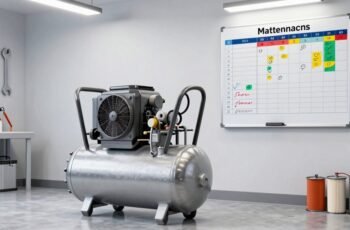
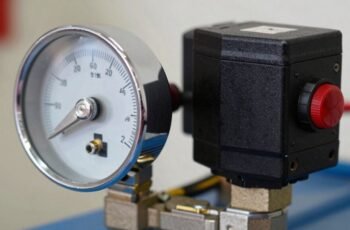
Maintaining a reciprocating air compressor requires a systematic approach to guarantee reliable operation and extend service life. By regularly inspecting key components like oil, filters, valves, pistons, and cylinders, we can identify issues before they escalate. This process demands a detailed understanding of system performance and potential failure points. As we explore the essential steps in this guide, you’ll gain insights into effective maintenance practices that keep your compressor running efficiently and safely.
Key Takeaways
- Regularly check and replace oil and filters to ensure optimal compressor performance and prevent wear.
- Inspect valves, pistons, and cylinders for signs of scoring, cracks, or wear to avoid mechanical failures.
- Monitor intake and exhaust systems for obstructions, leaks, and proper airflow to maintain efficiency.
- Conduct safety device inspections and monitor operating temperatures to prevent accidents and equipment damage.
- Seek professional assistance for complex issues, avoiding DIY repairs that risk further damage or injury.
Understanding the Basics of Reciprocating Air Compressors
What exactly makes reciprocating air compressors essential in industrial applications? Their core function is converting mechanical energy into compressed air through piston movement within cylinders. This process allows for precise pressure control, making them suitable for a variety of tasks, from powering pneumatic tools to process automation. Their design features a reciprocating piston, crankshaft, valves, and cylinders, enabling high-pressure outputs essential for demanding environments. The compression cycle involves intake, compression, and exhaust strokes, which are carefully synchronized for efficiency. Additionally, their modular construction facilitates maintenance and repair, ensuring consistent performance. Understanding these fundamental components and their operation helps us appreciate their reliability and versatility. Reciprocating compressors remain a cornerstone in industrial settings, thanks to their ability to deliver consistent, high-pressure airflow essential for operational productivity.
Checking and Replacing Compressor Oil and Filters
Have we properly assessed the condition of our compressor’s oil and filters recently? Regular inspection and timely replacement are critical for maximum performance and longevity. Contaminated or degraded oil can cause increased wear and reduced efficiency, while clogged filters impair airflow and cooling. To guarantee proper maintenance, we focus on key indicators:
- Monitoring oil viscosity and color for signs of degradation
- Checking for signs of contamination or particulate buildup
- Tracking filter pressure differentials to identify clogging
- Establishing a replacement schedule based on operational hours or manufacturer recommendations
Inspecting Valves, Pistons, and Cylinders for Wear and Damage
Regular inspection of valves, pistons, and cylinders is essential for identifying signs of wear or damage that could compromise compressor performance. We focus on detecting scoring, pitting, or cracks on valve surfaces, which impair sealing efficiency. Pistons should be examined for scoring, excessive carbon buildup, or signs of ring wear, indicating potential compression loss. Cylinders require close inspection for scoring, ovality, or deformation, which can lead to misalignment and reduced capacity. We also verify the tightness of piston rings and assess for abnormal vibrations during operation. Using visual inspections combined with measurement tools like feeler gauges and bore gauges helps us quantify wear levels. Early detection of damage allows for targeted repairs, minimizing downtime and preventing catastrophic failures, ensuring *ideal* compressor longevity and efficiency.
Maintaining the Air Intake and Exhaust Systems
How effectively do we maintain the air intake and exhaust systems to guarantee ideal compressor performance? Proper maintenance directly impacts efficiency, reliability, and lifespan. We need to make certain filters are clean, intake paths are unobstructed, and exhaust vents are free of buildup. Neglecting these elements can cause pressure drops, overheating, or compressor failure.
Regular maintenance of intake and exhaust systems ensures optimal compressor performance and longevity.
- Regular inspection and replacement of intake filters
- Ensuring unobstructed airflow in intake and exhaust paths
- Cleaning or replacing mufflers and silencers
- Monitoring for signs of leaks or blockages in piping
Performing Regular Safety and Performance Checks
Regular safety and performance checks are essential for reliable compressor operation. We must systematically inspect safety devices, monitor operating temperatures, and listen for unusual noises to identify potential issues early. Implementing these checks guarantees ongoing efficiency and mitigates risk of equipment failure.
Inspect Safety Devices Regularly
Ensuring the safety devices on a reciprocating air compressor function correctly is critical to preventing accidents and equipment damage. Regular inspection verifies that safety mechanisms respond properly under fault conditions, maintaining operational integrity. Key components to check include pressure relief valves, safety shut-off switches, and thermal protection devices.
- Confirm relief valves release at designated pressure settings without sticking
- Test safety switches to ensure they activate during simulated fault conditions
- Inspect for corrosion, wear, or damage that could impair device function
- Verify calibration and setpoints align with manufacturer specifications
These checks ensure safety devices perform reliably, reducing risk during abnormal operating conditions. Systematic, technical evaluation minimizes downtime and enhances overall safety performance.
Monitor Operating Temperatures
Why is monitoring operating temperatures essential for maintaining reciprocating air compressor safety and performance? Elevated temperatures can indicate issues like insufficient lubrication, overloading, or cooling system failure, risking component damage or failure. Consistent temperature monitoring allows us to identify abnormal heat buildup early, preventing catastrophic breakdowns. By using accurate thermocouples or infrared sensors, we can track critical points such as the cylinder head, lubrication system, and discharge air. Maintaining ideal temperatures ensures efficient lubrication, reduces wear, and prolongs component lifespan. Regular checks help us verify that all cooling systems operate correctly and that temperature levels stay within manufacturer specifications. Ultimately, diligent temperature monitoring is a proactive measure that safeguards equipment integrity, enhances operational efficiency, and minimizes downtime.
Check for Unusual Noises
Unusual noises often signal underlying issues within a reciprocating air compressor that can compromise safety and performance. Detecting these sounds early allows for timely intervention, preventing costly damage. When listening for abnormalities, focus on:
- Knocking or pounding sounds, which may indicate piston or connecting rod problems
- Squealing or high-pitched noises, often linked to bearing failures
- Hissing or air leaks, suggesting loose fittings or damaged seals
- Vibrations accompanied by irregular sounds, potentially pointing to imbalance or misalignment
Regularly inspecting the compressor for these noises helps identify mechanical faults before they escalate. Sound analysis should be combined with other diagnostics, such as temperature and pressure checks, to ensure thorough condition monitoring. Early detection enhances safety, efficiency, and longevity of the equipment.
Troubleshooting Common Compressor Issues and When to Call an Expert
Identifying warning signs early can prevent costly failures, but recognizing these signs requires attention to detail. Mechanical failures such as unusual vibrations or abnormal pressure fluctuations often indicate underlying issues that need prompt diagnosis. When problems extend beyond routine troubleshooting, it’s essential to consult an expert to guarantee safe and effective resolution.
Identifying Warning Signs
Monitoring your reciprocating air compressor closely is essential because early detection of warning signs can prevent costly repairs and downtime. Recognizing abnormal behaviors allows for timely intervention, maintaining peak performance. Watch for:
- Unusual noise levels, such as knocking or rattling, indicating potential mechanical imbalance or bearing issues
- Excessive vibration, which can signal misalignment or worn components
- Fluctuating pressure readings, suggesting leaks or control system malfunctions
- Increased energy consumption without corresponding output, pointing to inefficiencies or internal wear
Each sign reflects underlying mechanical or operational concerns that, if ignored, could escalate into major failures. Regularly analyzing these indicators ensures maintenance can be scheduled proactively, avoiding unexpected breakdowns and preserving compressor longevity.
Common Mechanical Failures
Mechanical failures are among the most critical issues that can impair a reciprocating air compressor’s performance and longevity. Common failures include piston and connecting rod damage, cylinder wear, and valve failures. Piston and rod fractures often result from excessive wear or improper lubrication, leading to catastrophic breakdowns. Cylinder scoring indicates insufficient cooling or contamination, reducing compression efficiency. Valve failures, such as bent or stuck valves, cause pressure drops and uneven airflow. Misalignment of components and loose fasteners introduce vibrations that accelerate wear and risk component failure. Recognizing early signs like abnormal noise, vibration, or pressure fluctuations is crucial. Addressing these issues promptly prevents further damage, guarantees ideal operation, and extends the compressor’s service life. Regular inspections and maintenance are essential for early detection and prevention.
When to Seek Expert Help
While routine maintenance can address many issues, there are times when troubleshooting exceeds basic skills and expert intervention becomes necessary. Recognizing these signs guarantees minimal downtime and prevents further damage. Seek professional help if you encounter:
- Persistent abnormal vibrations or noise despite maintenance
- Significant pressure drops or inconsistent airflow that cannot be isolated
- Recurrent overheating or oil leaks despite corrective measures
- Electrical faults or control system malfunctions that compromise safety
These indicators suggest underlying problems that require specialized tools, diagnostic expertise, and safety precautions. Attempting to resolve complex mechanical or electrical failures without proper training can lead to equipment damage or personal injury. When in doubt, consulting a qualified technician guarantees accurate diagnosis and safe, effective repairs.
Frequently Asked Questions
How Often Should I Schedule Professional Maintenance for My Compressor?
We recommend scheduling professional maintenance annually or semi-annually, depending on usage intensity and operating environment, to guarantee peak performance, prevent unexpected failures, and extend your compressor’s lifespan through thorough inspections, precise adjustments, and component replacements.
What Are the Signs of a Failing Compressor Motor?
A failing compressor motor shows signs like unusual noises, excessive vibrations, overheating, and frequent tripping. As they say, “A chain is only as strong as its weakest link,” highlighting the importance of timely diagnostics to prevent complete failure.
How Can I Extend the Lifespan of My Air Compressor?
We regularly inspect and replace worn components, guarantee proper lubrication, maintain ideal operating conditions, and follow a strict maintenance schedule. These actions help us extend the compressor’s lifespan, improve efficiency, and prevent costly breakdowns.
What Safety Precautions Should I Take During Maintenance?
We always guarantee safety by disconnecting power, releasing stored pressure, wearing protective gear, and following manufacturer guidelines strictly. This way, we prevent accidents and keep our maintenance process running smoothly—safety isn’t optional, it’s essential.
Are There Specific Lubricants Recommended for Different Compressor Models?
We recommend using manufacturer-specified lubricants tailored to each compressor model, as they guarantee ideal performance and longevity. Always refer to the compressor’s manual for precise lubricant specifications, viscosity ratings, and quality standards to prevent equipment failure.
Conclusion
By adhering to these maintenance practices, we can markedly extend the lifespan and reliability of our reciprocating air compressors. While some may worry about the time investment, proactive upkeep prevents costly repairs and downtime in the long run. Regular inspections and timely part replacements ensure peak performance, even under demanding conditions. Ultimately, a disciplined maintenance routine isn’t just about prevention—it’s a strategic approach that maximizes efficiency and safety, safeguarding our operational integrity over time.