Many assume that garage air compressors require minimal maintenance, but neglecting routine checks can greatly shorten their lifespan and reduce efficiency. Proper upkeep involves precise procedures, from oil changes to moisture drainage, that ensure consistent performance. Understanding these critical tasks can prevent costly repairs and safety hazards. To truly optimize your compressor’s reliability, it’s essential to follow a structured maintenance approach. Let’s explore the key tips that keep your equipment running smoothly and safely over time.
Key Takeaways
- Regularly check and replace compressor oil and air filters to prevent wear and maintain efficiency.
- Drain moisture from the tank monthly and inspect hoses for cracks or leaks.
- Monitor pressure gauges and safety valves to ensure proper operation and prevent overheating.
- Listen for unusual noises or signs of mechanical failure, and address issues promptly.
- Seek professional help for electrical or complex mechanical repairs to ensure safety and reliability.
Why Regular Maintenance Extends Your Compressor’s Lifespan
Regular maintenance is essential because it directly impacts the longevity of your air compressor. Consistent inspection and servicing prevent the accumulation of debris, corrosion, and wear on critical components such as valves, pistons, and seals. Regularly checking for leaks, tightening fittings, and replacing worn parts reduce unnecessary strain on the system, maintaining peak operational efficiency. Proper maintenance also ensures that the compressor operates within recommended parameters, preventing overheating and excessive pressure fluctuations that can cause damage. By adhering to scheduled inspections and timely part replacements, we minimize the risk of unexpected failures. This proactive approach preserves the compressor’s structural integrity and performance, ultimately extending its service life and reducing long-term repair costs.
How to Check and Change the Compressor Oil Properly
Properly checking and changing the compressor oil is fundamental to maintaining ideal performance and preventing premature failure. Begin by turning off and unplugging the compressor, allowing it to cool. Locate the drain valve or oil fill port, typically at the base of the compressor. Remove the drain plug or oil fill cap carefully, and allow the oil to drain into a suitable container. Measure the drained oil’s volume and compare it to the manufacturer’s specifications. Refill with the recommended oil grade, ensuring the level reaches the designated mark. Regularly inspect oil quality; if it appears contaminated or darkened, replace it immediately. Use clean tools during the process to avoid introducing debris. Consistent oil maintenance reduces wear and extends the compressor’s lifespan.
Cleaning and Replacing Air Filters for Optimal Performance
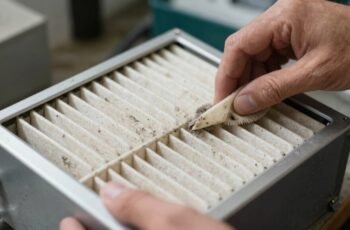
Cleaning and replacing air filters is essential to maintaining ideal compressor performance, as clogged filters restrict airflow and cause the unit to work harder. To guarantee peak operation, inspect filters regularly—at least every 50 hours of use or monthly, whichever occurs first. Remove the filter housing carefully, avoiding damage to seals. Clean reusable filters with compressed air or a suitable filter cleaner, ensuring all debris is eliminated without damaging the media. Replace disposable filters when they show signs of excessive dirt or damage, typically every 3 to 6 months. Proper filtration maintains airflow efficiency, reduces strain on the motor, and prevents dust and debris from entering internal components, which can lead to premature wear or failure. Regular maintenance of filters directly contributes to the compressor’s reliability and longevity.
Draining Moisture From the Tank to Prevent Corrosion
Since moisture naturally condenses inside the tank during operation, it’s essential to drain this accumulated water regularly to prevent corrosion. Moisture build-up occurs as atmospheric air cools within the tank, causing water vapor to condense. If not removed, this moisture accelerates rust formation on the tank’s interior surfaces, compromising structural integrity and potentially leading to failure. To effectively drain moisture, turn off the compressor and open the drain valve located at the tank’s lowest point. Allow the water to escape until the tank is dry. For ongoing maintenance, incorporate a monthly drainage routine, especially in humid environments. Proper drainage preserves the tank’s longevity, maintains compressor efficiency, and reduces the risk of operational failures caused by internal corrosion.
Inspecting and Tightening Hoses and Connections
Regularly inspecting hose integrity involves checking for cracks, wear, or deterioration that could cause leaks. Making sure all connections are tight prevents pressure drops and maintains ideal compressor performance. We recommend systematically verifying these components during routine maintenance to ensure safety and efficiency.
Checking Hose Integrity
Have you ever wondered how small leaks in hoses can impact your compressor’s performance? Even minor cracks or weak spots can cause pressure drops, reduce efficiency, and increase energy consumption. To maintain peak function, we recommend these steps:
- Visually inspect hoses for cracks, brittleness, or signs of wear.
- Use soapy water on connections to detect leaks—bubbles indicate escaping air.
- Tighten fittings securely, avoiding over-tightening that could damage threads or connectors.
Regularly checking hose integrity ensures consistent air pressure and prevents sudden failures. Maintaining proper tension and replacing worn sections promptly minimizes downtime and extends the lifespan of your compressor system. Implementing these precise checks is essential for safe, efficient operation.
Ensuring Secure Connections
Ensuring secure connections involves carefully inspecting hoses and fittings for tightness and integrity. We check all connections systematically, ensuring fittings are fully seated and free of leaks. Tighten any loose fittings using the appropriate tools, avoiding over-tightening which can damage threads or cause cracks. We also examine hoses for cracks, wear, or bulges that could compromise their seal. When tightening, we verify that quick-connect couplers are fully engaged and locked in place. Proper torque is essential—insufficient tightening can lead to air leaks, while excessive force may damage components. Regularly inspecting and tightening connections maintains ideal airflow and prevents pressure drops. These precise adjustments are vital for safe, efficient compressor operation and reducing downtime due to air leaks or component failure.
Monitoring Pressure Settings and Safety Valves
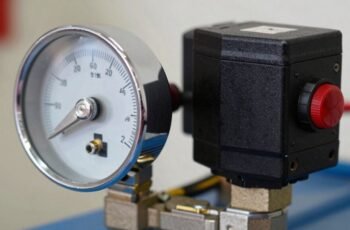
Monitoring pressure settings and safety valves is critical for maintaining compressor performance and guaranteeing safe operation. Proper oversight prevents over-pressurization, which can cause equipment failure or safety hazards. Regularly verify that the pressure gauges display the correct operating range according to the manufacturer’s specifications. Additionally, safety valves must function correctly to release excess pressure automatically. To attain peak performance, follow these steps:
- Check pressure gauges regularly to confirm readings align with recommended settings.
- Inspect safety valves for proper operation by manually testing or listening for release sounds during pressure buildup.
- Adjust pressure settings cautiously, avoiding exceeding maximum rated pressure to prevent system damage or failure.
Consistent monitoring ensures safety and prolongs the lifespan of your compressor.
Troubleshooting Common Compressor Problems and When to Call a Professional
Identifying warning signs such as excessive noise, overheating, or inconsistent pressure is vital for effective troubleshooting. We need to understand common mechanical failures like belt wear or motor issues that may require professional diagnosis. Knowing when to seek expert assistance guarantees safety and prevents further damage to the compressor system.
Recognizing Warning Signs
Recognizing early warning signs of compressor issues is essential for preventing costly repairs and downtime. Early detection allows timely intervention, maintaining efficiency and prolonging equipment lifespan. Common indicators include abnormal noise, inconsistent pressure, and excessive heat.
- Unusual noises such as knocking or hissing may signal internal component wear or air leaks.
- Fluctuating or low pressure readings suggest pressure regulation issues or leaks.
- Excessive heat buildup can indicate overworking components or insufficient cooling.
Monitoring these signs regularly enables prompt action, reducing the risk of compressor failure. When these warning signs persist or worsen, it’s crucial to consult a professional technician to diagnose and resolve underlying problems efficiently, ensuring reliable operation and safety.
Common Mechanical Failures
Mechanical failures in air compressors can occur suddenly and often require immediate attention to prevent extensive damage or complete system breakdown. Common issues include worn piston rings, which lead to loss of compression and reduced airflow, and faulty valves that cause air leaks or inconsistent pressure. Overheating components, such as the motor or cooling system, may result from inadequate lubrication or clogged filters, risking component failure. Bearings and belts are also prone to wear, leading to noisy operation or belt slippage. Electrical failures, including faulty wiring or switch malfunctions, can cause startup issues or intermittent operation. Recognizing these failures early allows for targeted troubleshooting. Addressing these problems promptly minimizes downtime and prevents costly repairs, but some failures demand professional intervention for accurate diagnosis and safe repair.
When to Seek Professional Help
While many minor compressor issues can be addressed through basic troubleshooting, certain problems demand the expertise of a professional technician. If your compressor exhibits persistent abnormal noises, fails to maintain pressure, or experiences frequent cycling despite troubleshooting, professional help is necessary. These issues may indicate underlying mechanical failures or electrical faults beyond routine maintenance.
You should seek assistance if:
- The compressor fails to start or runs continuously without reaching proper pressure.
- There are significant leaks or hissing sounds indicating internal damage.
- The unit emits burning smells or visible smoke, suggesting electrical or motor failure.
Addressing these problems without proper diagnosis can lead to further damage or safety hazards. When in doubt, consult a qualified technician to ensure safe and effective repairs.
Frequently Asked Questions
How Often Should I Perform Maintenance on My Garage Air Compressor?
We recommend performing maintenance on your garage air compressor every 1 to 3 months, depending on usage. Regularly check for leaks, drain moisture, and change filters to guarantee peak performance and longevity of the equipment.
What Signs Indicate My Compressor Needs Repair or Replacement?
We notice our compressor needs repair when it’s abnormally noisy, overheating, or experiencing pressure drops—these signs signal potential failure. If ignored, it could break down entirely, leaving us stranded, so prompt diagnosis and repair are essential.
Can I Use Any Type of Oil for My Compressor?
You shouldn’t use any oil; instead, always select compressor oil recommended by your manufacturer. Using the correct oil guarantees ideal lubrication, prevents damage, and maintains compressor efficiency, reducing the risk of costly repairs or premature failure.
How Do I Identify a Leaking Hose or Connection?
We inspect hoses and connections visually for cracks, wear, or oil residue, and listen for hissing sounds indicating leaks. We also apply soapy water, watching for bubbles forming at joints, to accurately identify leaks.
Is It Safe to Operate a Compressor With a Damaged Safety Valve?
Operating a compressor with a damaged safety valve isn’t safe; it risks over-pressurization and potential failure. We recommend replacing or repairing the valve immediately before use, adhering to manufacturer guidelines to guarantee safe, reliable operation.
Conclusion
By maintaining our garage air compressor like a vigilant guardian, we guarantee its heart beats steadily for years to come. Regular checks and timely interventions act as the armor protecting essential components from corrosion and wear. When we treat our compressor with care, we’re not just preserving a machine—we’re safeguarding a reliable tool that fuels our projects and keeps our workshop running smoothly. Proper upkeep transforms a mere device into a steadfast partner in our craftsmanship.