Maintaining your air compressor yourself requires a systematic approach to guarantee reliable operation and extend its lifespan. Regular inspections, cleaning, and timely replacements are essential steps that prevent costly repairs and operational downtime. By understanding the key maintenance tasks and troubleshooting techniques, you can optimize performance and safety. Proper care isn’t complicated, but neglecting it can lead to efficiency loss and equipment failure—something you’ll want to avoid as you consider the long-term benefits.
Key Takeaways
- Regularly inspect and clean filters, vents, and cooling fins to ensure proper airflow and prevent overheating.
- Check and replace oil and filters based on usage and manufacturer guidelines for optimal lubrication and efficiency.
- Adjust pressure settings using calibrated gauges to maintain system within recommended cut-in and cut-out levels.
- Tighten or replace worn belts, bearings, and connections to reduce noise and prevent component failure.
- Drain moisture from the tank and monitor system performance to extend lifespan and avoid costly repairs.
How to Inspect and Clean Your Air Compressor Regularly
Regular inspection and cleaning of your air compressor are essential to guarantee best performance and longevity. Begin by visually examining all components for signs of wear, corrosion, or damage. Check the cooling fins and vents, ensuring they are free of dust, dirt, or debris that can impede airflow and cause overheating. Inspect the belts for proper tension and signs of cracking or fraying; replace if necessary. Clean the air intake filter with compressed air or a suitable cleaning method to prevent dust accumulation. Confirm that all fasteners and connections are secure, and verify that the compressor’s drain valve is functioning correctly to remove accumulated moisture. Regularly performing these steps maintains ideal efficiency, reduces downtime, and extends the compressor’s operational life.
Replacing and Maintaining Compressor Oil and Filters
Maintaining ideal compressor performance requires timely replacement and inspection of oil and filters, as contaminated or degraded fluids can impair efficiency and cause damage. Regularly check oil levels and clarity; dark, thick oil indicates degradation and needs replacing. Use manufacturer-recommended oils to guarantee proper lubrication and thermal stability. When replacing oil, drain the sump completely to prevent mixing old and new fluids. Filters, including intake and oil filters, must be inspected for dirt, dust, and clogging; a clogged filter restricts airflow and reduces efficiency. Replace filters according to the manufacturer’s schedule or when visibly dirty. Proper maintenance of oil and filters minimizes wear, prevents overheating, and prolongs compressor lifespan. Precision in these tasks ensures peak operation and reduces unexpected downtime.
Checking and Adjusting Pressure Settings for Optimal Performance
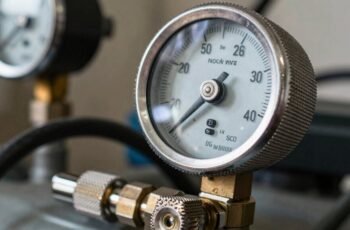
After verifying that oil and filters are in good condition, the next step is to check and fine-tune the compressor’s pressure settings to optimize performance. Begin by consulting the manufacturer’s specifications to determine the recommended cut-in and cut-out pressure levels. Use a calibrated pressure gauge to measure the system’s current pressure, ensuring the compressor is off during measurement. Adjust the pressure regulator and safety relief valves accordingly, turning the regulator knob to set the desired operating pressure. Confirm the system maintains consistent pressure within the specified range during operation. Precise adjustments prevent overworking the motor and reduce wear on components. Regularly monitoring and fine-tuning these settings ensures efficient performance, energy savings, and prolongs the compressor’s service life.
Troubleshooting Common Compressor Issues and How to Fix Them
When a compressor fails to operate properly, identifying the root cause is essential for effective troubleshooting. Common issues include inadequate airflow, abnormal noise, overheating, and pressure fluctuations. Insufficient airflow often results from clogged intake filters or blocked vents; cleaning or replacing filters typically resolves this. Abnormal noise may indicate loose or worn components like belts or bearings, which should be tightened or replaced. Overheating usually stems from overuse, poor ventilation, or oil shortages; ensuring proper cooling and lubrication can mitigate this. Pressure fluctuations often point to faulty pressure switches or leaks in the system; inspecting and repairing connections restore stability. Precise diagnosis involves checking these components systematically, allowing targeted interventions that minimize downtime and prevent further damage.
Tips for Extending Your Air Compressor’s Lifespan and Saving Money
To maximize your air compressor’s lifespan and reduce long-term costs, it’s essential to implement proactive maintenance practices. Regularly inspecting and replacing filters prevents dirt and debris buildup, which can strain components and cause premature failure. Lubricate moving parts according to manufacturer specifications to minimize wear and friction. Draining moisture from the tank prevents corrosion that can compromise structural integrity. Maintaining proper pressure settings guarantees peak efficiency and reduces unnecessary stress on the system. Using quality replacement parts and performing scheduled tune-ups also extend operational life. Additionally, monitoring operational parameters with gauges helps identify anomalies early, preventing costly repairs. By adopting these practices, we enhance performance while minimizing expenses, ensuring the compressor remains reliable and efficient throughout its service life.
Frequently Asked Questions
How Often Should I Schedule Professional Maintenance for My Air Compressor?
We recommend scheduling professional maintenance every 3 to 6 months, depending on usage intensity and environmental conditions, to guarantee peak performance, prevent breakdowns, and extend your air compressor’s lifespan through proper inspection and part replacement.
What Safety Precautions Should I Take During Compressor Maintenance?
Do we really want to risk injury? We always turn off and unplug the compressor, wear protective gear, release pressure safely, and follow manufacturer instructions, ensuring a controlled environment to prevent accidents during maintenance procedures.
Can I Upgrade Parts to Improve My Compressor’s Efficiency?
Yes, upgrading parts like the motor, valves, or cooling system can enhance efficiency. We recommend selecting compatible, high-quality components, and ensuring proper installation to optimize performance without risking damage or voiding warranties.
How Do Ambient Temperature and Humidity Affect Compressor Performance?
Ambient temperature and humidity considerably impact compressor performance; high temps cause overheating and inefficiency, while humidity leads to moisture in the system, risking corrosion and reduced lifespan. We monitor these factors to optimize operation and longevity.
What Are Signs That My Compressor Is Nearing the End of Its Lifespan?
We notice signs like increased noise, reduced airflow, overheating, and frequent pressure drops, indicating our compressor’s nearing end of life. Regular inspections for worn components and performance decline help us predict and plan timely maintenance or replacements.
Conclusion
By regularly inspecting, cleaning, and maintaining our air compressors, we guarantee peak performance, prevent costly repairs, and extend their lifespan. Consistent checks, timely replacements, and proper adjustments form the foundation of reliable operation. Emphasizing proactive care over reactive fixes helps us achieve efficiency, safety, and durability. In the end, diligent maintenance isn’t just about preserving equipment—it’s about maximizing productivity, minimizing downtime, and securing long-term savings through precision and consistency.