When operating air compressors, understanding the common faults that can arise is essential for maintaining peak performance and avoiding costly downtime. We’ll explore typical issues like overheating, pressure inconsistencies, noise, and leaks, along with their underlying causes—ranging from mechanical wear to electrical faults. Recognizing early signs and knowing how to troubleshoot effectively can prevent serious damage. Stay with us as we examine each problem in detail, providing the insights needed to keep your system running reliably.
Key Takeaways
- Mechanical wear, lubrication issues, and contamination frequently cause air compressor component failures.
- Overheating, low pressure, and unusual noises are common indicators of internal faults.
- Leaks, moisture buildup, and clogged filters reduce efficiency and can damage the system.
- Electrical faults, such as wiring issues and motor overloads, often disrupt compressor operation.
- Regular maintenance and leak detection are essential to prevent faults and ensure optimal performance.
What Are the Most Common Causes of Air Compressor Faults?
Understanding the most common causes of air compressor faults is essential for effective troubleshooting and maintenance. Mechanical wear and tear from continuous operation can lead to component failure, especially in valves, pistons, and seals. Inadequate lubrication often causes increased friction and overheating, resulting in part damage and decreased efficiency. Contaminants such as dirt, dust, or moisture entering the system can clog filters, damage valves, or cause corrosion, impairing performance. Incorrect pressure regulation or faulty pressure switches can cause unstable operation or pressure build-up, risking damage to the compressor. Electrical faults, including wiring issues or motor overloads, can interrupt operation or lead to complete motor failure. Recognizing these primary failure points allows for proactive maintenance and reduces unexpected downtime.
How to Recognize When Your Air Compressor Is Overheating
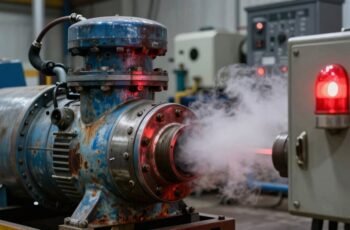
Monitoring your air compressor for signs of overheating is essential because elevated temperatures can quickly lead to component damage and system failure. Typically, overheating manifests through increased operating temperature readings beyond manufacturer specifications, often indicated by thermal sensors or gauges. Audible warning signs include a persistent high-pitched hum or sizzling sound, signaling excessive heat buildup. Physical indicators include hot surfaces on the motor casing, discharge pipe, or pressure valves, which should be monitored with infrared thermometers for accuracy. In addition, a sudden drop in pressure or a failure to maintain rated pressure levels often correlates with thermal issues. Regular inspection of cooling systems, such as fans and cooling fins, is crucial. Recognizing these signs early helps prevent catastrophic failure and extends the compressor’s operational lifespan.
Troubleshooting Low Air Pressure Issues
When troubleshooting low air pressure issues in an air compressor, it’s essential to systematically identify and eliminate potential causes that may be restricting airflow or reducing system efficiency. To do this effectively, we focus on critical components and potential blockages.
- Check for air leaks: Inspect hoses, fittings, and valves for cracks or loose connections that could cause pressure loss.
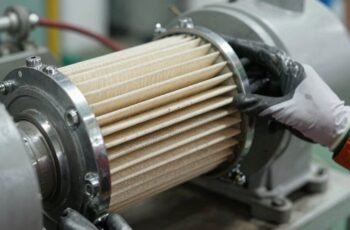
- Examine the intake filter: A dirty or clogged filter restricts airflow to the compressor, lowering output pressure.
- Inspect the pressure relief valve: If stuck open or malfunctioning, it can prevent buildup of adequate pressure.
- Assess the compressor’s piston or rotary elements: Worn or damaged parts reduce compression efficiency, resulting in insufficient pressure output.
Systematic testing of these elements helps isolate the root cause, enabling precise corrective action.
Why Is My Air Compressor Making Unusual Noises?
Unusual noises from an air compressor often indicate mechanical issues that require immediate attention. Loose components, worn-out bearings, and air leaks are common culprits that can cause rattling, grinding, or hissing sounds. Identifying these specific sources helps target maintenance and prevent further damage.
Loose Components
Have you noticed your air compressor producing rattling or banging noises during operation? These sounds often indicate loose components within the unit, which can cause excessive vibration and noise. To diagnose, consider these key areas:
- Fasteners and Bolts – Loose mounting bolts or fasteners can vibrate and produce noise. Tighten all accessible bolts securely.
- Pulley and Belt Assemblies – A loose pulley or worn belt can slip, creating rattling sounds. Inspect for proper tension and wear, replacing as needed.
- Internal Screws and Nuts – Components like cylinder heads or valve covers may have loosened screws, causing internal movement and noise. Check and tighten all fasteners.
- Vibration Isolators – Damaged or loose vibration pads or mounts can transmit noise. Replace or secure these mounts to reduce noise transmission.
Worn Out Bearings
Worn out bearings are a common cause of strange noises in air compressors, often manifesting as grinding, squealing, or rumbling sounds during operation. Over time, bearing lubrication depletes, and the metal components experience wear due to continuous rotation and load stress. This wear causes increased friction and misalignment, leading to abnormal vibrations and noise. When bearings deteriorate, they fail to support the rotating shaft properly, resulting in uneven rotation and metal-to-metal contact. This contact produces the characteristic grinding or squealing sounds. Additionally, bearing wear can cause excessive heat buildup, accelerating further deterioration. Regular inspection of bearing condition, lubrication levels, and alignment is essential for early detection. Replacing worn bearings promptly restores smooth operation and prevents potential damage to other compressor components.
Air Leaks
When an air compressor begins to emit hissing, banging, or rapid pulsations, air leaks are often the culprit behind the abnormal noises. These leaks disrupt the system’s pressure balance, causing the compressor to work harder and generate noise anomalies. To diagnose, we focus on key areas:
- Hose connections and fittings – Loose or damaged fittings can allow compressed air to escape, creating hissing sounds.
- Valve seals – Worn or cracked seals in intake or exhaust valves result in leakage and noise fluctuations.
- Tank welds and seams – Cracks or corrosion in welds may produce audible leaks during operation.
- Pressure relief valves – Malfunctioning or improperly seated valves can leak, causing pulsating noises.
Identifying and sealing these leaks restores proper operation and reduces noise levels.
Handling Air Leaks and Loss of Efficiency
To maintain ideal performance, we need to accurately identify common air leak sources such as fittings, valves, and hoses. Addressing these leaks promptly can considerably improve compressor efficiency by reducing unnecessary air loss. Implementing regular inspections and sealing techniques guarantees sustained system integrity and energy savings.
Identifying Common Leak Sources
Identifying the sources of air leaks is essential for maintaining compressor efficiency and preventing unnecessary energy consumption. Accurate pinpointing allows targeted repairs, reducing waste and operational costs. Common leak sources include:
- Fittings and connections – Loose or damaged fittings, couplings, and hoses often develop small leaks that can *considerably* impact overall system efficiency.
- Valves and seals – Worn or improperly seated valves and seals in the compressor head or drainage systems are frequent leakage points.
- Pressure relief valves – Malfunctioning or improperly adjusted relief valves can leak air continuously, contributing to energy loss.
- Hoses and tubing – Cracks, corrosion, or loose fittings in hoses and tubing are common leak sites, especially in older systems.
A systematic inspection of these components ensures reliable leak detection and effective maintenance.
Improving Compressor Efficiency
Addressing air leaks is a primary step toward enhancing compressor efficiency, as even minor escapes can lead to significant energy waste. To effectively minimize losses, regular inspection and maintenance are essential. Properly sealed connections, fittings, and valves prevent pressure drops and reduce unnecessary energy input. Consider the following common leak sources:
| Leak Source | Impact on Efficiency |
|---|---|
| Fittings and couplings | Increased pressure drop, energy waste |
| Pressure relief valves | Unnecessary venting, loss of compressed air |
| Seals and gaskets | Reduced system integrity, leaks |
| Drain valves | Continuous air loss, lowered pressure |
Identifying Electrical Problems in Your Air Compressor
Electrical issues often manifest as irregular compressor operation or complete failure to start, making them critical to diagnose promptly. These problems typically stem from faulty wiring, blown fuses, or malfunctioning control components. To accurately identify electrical faults, we focus on specific indicators:
Electrical problems cause compressor failure; check wiring, fuses, and control components promptly.
- Motor hum without startup: Signifies possible capacitor failure or wiring issues impairing electrical flow.
- Tripped circuit breakers: Indicates overload conditions or short circuits within the motor or control panel.
- Burnt smell or visible scorch marks: Suggests overheating or short circuits in electrical connections.
- Inconsistent voltage supply: Voltage fluctuations can cause intermittent operation or damage to electrical components.
Proper diagnosis involves inspecting wiring integrity, testing fuses and relays, and verifying voltage stability, ensuring the compressor’s electrical system functions reliably.
What Causes Compressor Cycles to Shorten or Lengthen?
Fluctuations in compressor cycle times often stem from underlying issues within the system’s pressure regulation and control mechanisms. When the pressure switch or control valve malfunctions, it causes premature or delayed cut-in and cut-out cycles. A clogged or dirty pressure sensor or switch can send inaccurate readings, resulting in inconsistent cycling. Additionally, an improperly adjusted pressure setting can cause cycles to lengthen or shorten unnaturally. External factors like supply pressure fluctuations or leaks in the system can also impact cycle timing, forcing the compressor to cycle more frequently or less often than designed. Variations in ambient temperature or humidity may influence pressure sensors’ performance, further affecting cycle duration. Ultimately, precise calibration and maintenance of pressure controls are essential to maintain ideal cycle times.
Dealing With Moisture Buildup and Water Contamination
Moisture buildup and water contamination within an air compressor system pose significant risks to equipment performance and longevity. These issues can cause corrosion, reduce lubrication effectiveness, and lead to component failure. To effectively manage moisture, we recommend the following steps:
- Install a moisture separator or filter to remove water droplets before they reach critical components.
- Regularly drain the receiver tank to eliminate accumulated water, preventing corrosion.
- Use desiccant dryers in environments with high humidity, ensuring dry compressed air.
- Inspect and replace filters periodically to maintain filtration efficiency and prevent moisture ingress.
Implementing these measures guarantees moisture control, reduces maintenance costs, and prolongs compressor life. Proper moisture management is essential for maintaining consistent, high-quality compressed air output.
When to Seek Professional Repair for Compressor Faults
Recognizing the signs that indicate when professional repair is necessary can prevent further damage and costly downtime. If your compressor exhibits persistent unusual noises, inconsistent pressure delivery, or rapid cycling, it’s time to consult a professional. Additionally, recurring overheating, oil leaks, or electrical issues signal underlying problems beyond routine maintenance. Ignoring these symptoms can lead to component failure or safety hazards. Here’s a quick reference:
| Symptom | Possible Cause | Action |
|---|---|---|
| Unusual noises | Worn bearings or internal damage | Seek immediate expert diagnosis |
| Pressure fluctuations | Valve or pressure switch malfunction | Schedule expert inspection |
| Overheating | Cooling system failure or overuse | Professional repair recommended |
Addressing these issues promptly ensures longevity and operational integrity.
Frequently Asked Questions
How Often Should I Perform Maintenance on My Air Compressor?
We recommend inspecting and performing maintenance on our air compressors every 1 to 3 months, depending on usage intensity. Regular checks of filters, oil levels, and safety valves guarantee ideal performance and prevent costly breakdowns.
What Are the Signs of a Failing Pressure Switch?
Think of your pressure switch as a vigilant gatekeeper; if it sticks, makes erratic clicks, or fails to activate or deactivate properly, these are signs it’s malfunctioning, risking pressure loss or compressor damage.
Can Power Surges Damage My Air Compressor?
Power surges can indeed damage your air compressor’s electrical components, causing motor failure or control circuit issues. We recommend installing surge protectors and ensuring proper grounding to prevent such damage and prolong your compressor’s lifespan.
How Do I Prevent Rust Inside My Compressor Tank?
To prevent rust inside your compressor tank, we regularly drain moisture, use a desiccant or moisture absorber, keep the tank clean and dry, and apply a protective coating or rust inhibitor to minimize corrosion over time.
What Safety Precautions Should I Follow During Repairs?
Safety first, as they say; we always disconnect power, release pressure, wear protective gear, and follow manufacturer instructions during repairs. We double-check connections and use appropriate tools, ensuring a safe environment before working on any compressor components.
Conclusion
Understanding common air compressor faults helps us maintain peak performance and prevent costly repairs. Regular inspections and timely troubleshooting are essential, as studies show that 70% of compressor failures are due to inadequate maintenance. By recognizing early signs like unusual noises or pressure drops, we can address issues promptly. Staying vigilant guarantees reliable operation, extends equipment lifespan, and maximizes efficiency—saving us both time and money in the long run.