Just as a well-tuned engine relies on clean fuel filters to maintain performance, our air compressors depend on properly maintained filters to operate efficiently and reliably. Over time, dirt, debris, and wear can compromise their effectiveness, risking system damage and increased energy costs. Understanding the intricacies of filter maintenance is vital for preventing costly downtime and extending equipment lifespan—yet many overlook these essential procedures until problems arise. Let’s explore how to keep your compressor’s filters in prime condition.
Key Takeaways
- Regularly inspect filters for dirt, damage, and discoloration to ensure optimal airflow and prevent system damage.
- Replace filters based on manufacturer guidelines or when visual inspection shows excessive dirt or damage.
- Power down and carefully remove filters before cleaning or replacing, using proper tools and procedures.
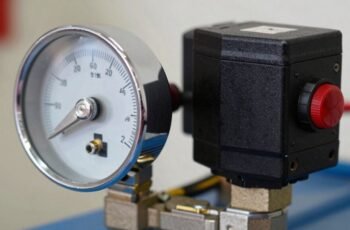
- Use differential pressure gauges to monitor filter condition and determine when cleaning or replacement is necessary.
- Seek professional assistance for complex repairs, system malfunctions, or if abnormal noises and performance issues persist.
Why Regular Filter Maintenance Extends Your Compressor’s Life
Regular filter maintenance is essential for prolonging the lifespan of your air compressor because it directly impacts the system’s efficiency and component integrity. When filters are clean, airflow remains unrestricted, preventing excessive strain on the motor and other internal parts. Dirty or clogged filters cause pressure drops, leading the compressor to operate harder, which accelerates wear and increases energy consumption. Over time, contaminants bypass compromised filters, depositing debris on sensitive components like valves and pistons, potentially causing corrosion or damage. Regular maintenance guarantees filters effectively trap airborne particles, maintaining ideal airflow and reducing the risk of internal contamination. This proactive approach minimizes thermal and mechanical stress, extends component longevity, and sustains consistent performance, ultimately reducing costly repairs and downtime.
How to Inspect and Identify Dirty or Worn Filters
To accurately assess filter condition, we perform detailed visual inspections, focusing on discoloration, debris accumulation, and physical damage. Recognizing signs such as tears, cracks, or excessive dust buildup helps determine if the filter is compromised. Regular checks should be scheduled based on operating hours and environmental conditions to guarantee peak filtration efficiency.
Visual Inspection Techniques
When inspecting air compressor filters, a careful visual assessment is essential to accurately determine their condition. We start by examining the filter element for discoloration, which indicates accumulated dirt and oil saturation. Look for visible buildup of debris, dust, or oil films that obscure the filter’s porosity. Check the integrity of the filter media, ensuring there are no tears, holes, or frayed edges that compromise filtration efficiency. Pay close attention to the pleats or folds; flattening or deformities can suggest excessive pressure or damage. Use a bright light to enhance visibility, and compare the filter’s current state against a clean baseline. Document any signs of contamination or physical deterioration, as these are critical indicators for replacement or further cleaning procedures.
Signs of Filter Damage
Detecting signs of filter damage requires a systematic visual and tactile assessment; damaged filters often exhibit clear indicators such as discoloration, tearing, or deformation. Discoloration typically manifests as darkened or stained areas, signaling accumulated dirt or oil saturation. Tearing or fraying along the filter media’s edges indicates material fatigue or improper handling. Deformation, including warping or buckling, suggests structural compromise, often caused by excessive pressure or aging. We examine the filter surface carefully for any holes, cracks, or thinning areas that reduce filtration efficacy. Tactile inspection involves feeling for uneven surfaces or soft spots that may indicate internal breakdown. Recognizing these signs promptly ensures timely filter replacement, maintaining ideal compressor performance and preventing downstream component damage.
Frequency of Checks
How often should we inspect air compressor filters to guarantee peak performance? Industry standards recommend checking filters at least every 250 operational hours or monthly, whichever occurs first. However, in environments with high dust or particulate levels, inspections should occur more frequently—every 100 hours or biweekly. During each check, visually examine the filter media for dirt buildup, discoloration, or tears. Feel for increased resistance or pressure drops across the filter, which indicate clogging. Remove and carefully inspect the filter element for signs of deterioration, such as broken pleats or coating damage. Record inspection results, noting any contamination levels or wear. Regular, detailed inspections enable timely replacement or cleaning, ensuring best airflow, reducing strain on the compressor, and maintaining efficiency.
Step-by-Step Guide to Replacing Air Compressor Filters
Replacing air compressor filters is a critical maintenance task that guarantees peak performance and extends the lifespan of the equipment. To begin, shut down the compressor and disconnect it from power sources. Carefully locate the filter housing, which varies depending on the model, and remove any retaining clips or fasteners securing the filter cover. Gently extract the used filter, inspecting it for excessive dirt, oil, or damage. Before installing the new filter, verify it matches the specifications outlined in the manufacturer’s manual. Insert the new filter, ensuring it seats properly without gaps or misalignment. Reattach the cover securely, reestablish power, and perform a brief operational test. Always dispose of the used filter according to environmental regulations to prevent contamination.
Troubleshooting Common Filter Issues and Performance Problems
When air compressor filters become clogged or damaged, it can lead to significant performance issues such as reduced airflow, increased pressure drop, and higher energy consumption. Clogged filters restrict the volume of air passing through the system, causing compressors to work harder to maintain pressure, which elevates energy costs. Damage to the filter media, such as tears or broken seals, allows unfiltered particles to bypass the filter, risking internal component wear and system contamination. Troubleshooting begins with inspecting filter elements for visible dirt buildup, tears, or deformities. A notable pressure differential across the filter indicates clogging. Additionally, abnormal compressor cycling or decreased power output often signals compromised airflow. Addressing these issues involves timely cleaning or replacement, ensuring the filter maintains ideal performance and prevents further system degradation.
Best Practices for Maintaining Filter Efficiency and Longevity
Regular maintenance practices are essential for preserving filter efficiency and extending their service life. Consistent inspection ensures early detection of contamination or wear, preventing airflow restrictions. We recommend scheduling filter replacements based on operational hours and environmental conditions. Proper cleaning of filter housings with compressed air or appropriate solvents removes residual debris without damaging media. Monitoring differential pressure gauges provides real-time data on filter load, indicating when replacement is necessary. Using manufacturer-recommended replacement parts guarantees compatibility and peak performance. Additionally, maintaining a clean surrounding environment reduces airborne contaminants that can clog filters prematurely. Regularly documenting maintenance activities helps identify patterns and optimize schedules. Adhering to these practices ensures the compressor operates efficiently, minimizes downtime, and prolongs filter lifespan.
- Schedule routine inspections and replacements
- Use manufacturer-approved replacement filters
- Monitor differential pressure gauges regularly
- Clean filter housings systematically
- Track maintenance activities and operational data
When to Seek Professional Help for Filter and Compressor Maintenance
Recognizing system malfunctions such as inconsistent airflow or abnormal pressure drops indicates the need for professional evaluation. When repair procedures involve complex disassembly or component replacement, specialized expertise is essential to prevent further damage. Additionally, if you lack the technical knowledge to diagnose or perform maintenance tasks accurately, consulting a qualified technician is the safest course of action.
Signs Of System Malfunction
How can you tell if your air compressor system is malfunctioning? Unusual operational symptoms can indicate underlying issues requiring professional assessment. Signs include inconsistent air pressure regulation, which suggests pressure switch or valve failure. Excessive noise levels often point to bearing wear or internal component misalignment. Increased moisture or oil carryover signals possible filter inefficiency or seal failure, risking contamination. Unexpected temperature fluctuations indicate cooling system or motor problems. Additionally, a sudden drop in airflow or pressure capacity suggests clogged filters or blocked intakes.
- Fluctuating or unstable air pressure
- Abnormal or loud operational noises
- Excessive condensation or oil in the system
- Unexpected temperature spikes or drops
- Significant loss of airflow efficiency
Complex Repair Procedures
While routine maintenance tasks like filter replacement can often be performed by trained personnel, certain repair procedures exceed standard procedures and require specialized expertise. For example, diagnosing compressor internal component failures, such as worn piston rings or damaged valves, demands advanced knowledge of mechanical systems and precise calibration. Additionally, replacing or repairing the compressor’s motor or control circuitry involves electrical diagnostics and adherence to safety protocols, which pose risks without proper training. Seals, bearings, and pressure relief valves also require specific torque specifications and handling to prevent future failures. Attempting these complex repairs without proper expertise can lead to further damage, safety hazards, and costly downtime. When faced with these issues, consulting licensed technicians or manufacturer-certified service providers is essential for safe, effective repairs.
Lack Of Technical Expertise
When dealing with filter replacements or compressor maintenance, it’s crucial to assess our own technical skills before proceeding. If we lack experience, attempting complex procedures may risk damaging components or compromising safety. Recognizing our limits prevents costly errors and guarantees proper system operation.
We should seek professional help when:
- The compressor exhibits persistent abnormal noises or vibrations
- There’s a significant decline in performance despite routine maintenance
- Troubleshooting involves electrical or control system diagnostics
- Fluid leaks or unusual pressure fluctuations occur
- The task requires specialized tools or calibration procedures
Engaging qualified technicians ensures maintenance adheres to safety standards, factory specifications, and maximum efficiency. When in doubt, prioritizing expert assistance preserves equipment longevity and minimizes operational downtime.
Frequently Asked Questions
How Often Should I Schedule Professional Inspections for My Compressor Filters?
We suggest scheduling professional inspections for compressor filters every 3 to 6 months, depending on usage intensity and environmental conditions. Regular assessments guarantee maximum filtration efficiency, prevent system wear, and extend your compressor’s operational lifespan effectively.
What Types of Filters Are Best for Specific Compressor Models?
We recommend using high-efficiency particulate air (HEPA) filters for precision compressors, capturing 99.97% of contaminants. For heavy-duty models, oil-free or coalescing filters prevent moisture buildup, ensuring peak performance and longevity.
Can Using Incorrect Filter Materials Damage My Compressor?
Using incorrect filter materials can cause damage by restricting airflow, increasing pressure drops, and allowing contaminants to bypass filtration, which may lead to internal corrosion, reduced efficiency, and premature wear of compressor components, ultimately compromising system longevity.
What Are the Environmental Impacts of Filter Disposal?
Disposing filters improperly is like releasing a silent pollutant into the environment, releasing contaminants that can harm ecosystems and human health. We must follow proper disposal protocols to minimize environmental impacts and promote sustainable practices.
How Do Temperature and Humidity Affect Filter Performance?
Temperature and humidity directly impact filter performance by causing moisture buildup, which leads to clogging and reduced airflow. Elevated temperatures accelerate filter degradation, while high humidity promotes microbial growth, both compromising filtration efficiency and potentially damaging compressor components.
Conclusion
Regular filter maintenance is crucial; it can extend your compressor’s lifespan by up to 30% and improve efficiency. Our experience shows that neglecting filters can cause equipment failure within just 1,000 hours of operation. By adhering to proper inspection, replacement, and troubleshooting procedures, you guarantee peak performance and reduce costly downtime. Consistent upkeep not only safeguards your investment but also maximizes energy savings, making diligent filter care an indispensable component of compressor management.