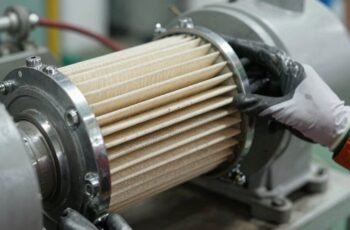
Imagine a pressure switch as the silent gatekeeper of your compressor, precisely regulating airflow based on internal contacts and pressure settings. When it malfunctions, the entire system’s efficiency is compromised, often without obvious signs. Understanding how to troubleshoot these switches is vital to maintain peak performance and prevent costly downtime. If you’re ready to guarantee your compressor’s pressure regulation remains dependable, it’s essential to explore the common causes of failure and effective diagnostic methods.
Key Takeaways
- Check for proper power supply and secure wiring connections to ensure the switch receives correct voltage.
- Verify and calibrate the pressure switch settings using a pressure gauge for accuracy.
- Inspect for debris, corrosion, or damage on the switch and clean or replace if necessary.
- Test switch contacts with a multimeter to confirm proper opening and closing at set pressures.
- Monitor for pressure fluctuations or system leaks that may cause switch malfunction or inconsistent operation.
How Do Air Compressor Pressure Switches Work?
Although often overlooked, the pressure switch is a critical component in an air compressor system, precisely controlling its operation. It functions as a safety and control device, automatically activating or deactivating the compressor based on pressure levels. Inside, it contains a set of calibrated springs and a diaphragm or piston that responds to system pressure. When pressure drops below the cut-in point, the switch closes, energizing the motor to increase pressure. Conversely, when pressure reaches the cut-out point, the switch opens, shutting off the motor to prevent over-pressurization. This cycle maintains system pressure within specified limits, ensuring safe and efficient operation. The switch’s calibration determines these thresholds, making it essential for maintaining consistent compressor performance.
Recognizing Common Signs of Pressure Switch Problems
Identifying signs of pressure switch issues is vital for maintaining ideal compressor performance. Common indicators include inconsistent pressure regulation, where the compressor cycles irregularly or fails to reach set pressure levels. You might notice the compressor frequently switching on and off or failing to shut off entirely, indicating a faulty switch. Additionally, the pressure gauge may display erratic readings, or the system may operate at pressure levels outside specified parameters. Audible alarms or abnormal noises can also signal pressure switch malfunctions. In some cases, the switch may become stuck in the open or closed position, leading to continuous operation or complete shutdown. Recognizing these signs early helps prevent damage to the compressor and guarantees safe, efficient operation.
What Causes Pressure Switch Failures in Air Compressors?
Pressure switch failures often result from mechanical wear and tear or electrical component failure over time. These issues can cause inconsistent pressure regulation and switch malfunction. Understanding these failure modes is essential for effective troubleshooting and maintenance.
Mechanical Wear and Tear
Mechanical wear and tear is a primary factor contributing to pressure switch failures in air compressors. Over time, the constant cycling of the switch subjects internal components—such as diaphragms, springs, and contact points—to repetitive stress, leading to material fatigue. This fatigue causes deformation or loss of elasticity, impairing proper operation. Additionally, exposure to dust, moisture, and corrosive contaminants accelerates deterioration of mechanical parts, resulting in corrosion or debris buildup that hampers movement. Frequent operation at extreme pressures or high cycle counts can also accelerate wear, reducing the switch’s responsiveness or causing it to stick. Ultimately, the cumulative effect of mechanical stress and environmental factors diminishes the switch’s ability to reliably open or close at designated pressure points, leading to failures.
Electrical Component Failure
Electrical component failure is a significant factor that can compromise the reliability of air compressor pressure switches. Failures often stem from prolonged exposure to voltage fluctuations, which can cause overheating or arcing within contacts and relays. Over time, capacitors and switches may degrade due to thermal stress, leading to insulation breakdown or contact failure. Additionally, moisture infiltration and dust accumulation can cause corrosion or short circuits, impairing electrical pathways. Improper wiring or loose connections introduce resistance and potential failure points, increasing stress on electrical components. Manufacturers’ use of substandard parts or manufacturing defects can also contribute to early failure. Regular inspection and maintenance of electrical connections, along with ensuring proper environmental conditions, are critical to preventing electrical component failures and maintaining pressure switch functionality.
How to Test Your Pressure Switch Effectively?
To accurately test your pressure switch, we start by verifying the power supply connections for proper voltage and secure wiring. Next, we inspect the pressure settings against manufacturer specifications to guarantee correct operation. Finally, we perform continuity testing to confirm the switch’s internal contacts function correctly under the specified pressure range.
Check Power Supply Connections
Before testing your pressure switch, make certain that the power supply connections are secure and properly wired. Use a multimeter set to measure voltage to verify the power source at the switch terminals. Confirm that the input voltage matches the compressor’s specifications, typically 120V or 240V AC. Inspect the wiring for any signs of corrosion, loose connections, or damaged insulation. Tighten any loose terminals and replace damaged wires as needed. Ascertain that the power switch or circuit breaker controlling the compressor is in the ON position and supplying voltage. Proper wiring and stable power supply are essential for accurate pressure switch operation. Only after confirming these connections can you proceed with further testing or troubleshooting of the pressure switch itself.
Inspect Pressure Settings Properly
Accurately inspecting the pressure settings on your switch is essential for ensuring proper compressor operation. Begin by turning off the compressor and relieving pressure from the tank. Remove the switch cover to access the adjustment screws, typically marked for cut-in and cut-out points. Using a calibrated pressure gauge, connect it to the compressor’s outlet or drain valve. Power on the compressor and observe the pressure readings as the switch activates. Check if the cut-in and cut-out settings correspond to the manufacturer’s specifications; deviations indicate misadjustment. Adjust the respective screws carefully, ensuring the settings align with recommended pressure ranges. Record the readings for future reference, and reassemble the switch cover once adjustments are complete. Precise setting verification prevents unnecessary cycling and potential damage.
Perform Continuity Testing
Performing continuity testing on your pressure switch is a critical step in diagnosing electrical faults that could prevent proper operation. This process verifies whether the switch’s internal contacts close and open correctly under pressure conditions. To perform the test, disconnect power, set your multimeter to the continuity setting, and connect probes to the switch terminals. When the switch reaches its activation pressure, continuity should be established; when it drops below that pressure, continuity should cease.
| Pressure State | Expected Continuity Behavior |
|---|---|
| Above Cut-in Pressure | Continuity (Closed contacts) |
| Below Cut-out Pressure | No continuity (Open contacts) |
| During Transition | Switching states rapidly |
Troubleshooting Pressure Fluctuations: Step-by-Step Guide
When troubleshooting pressure fluctuations in an air compressor, we must systematically identify and isolate the underlying cause. Begin by monitoring the pressure gauge to confirm the fluctuation pattern and note the pressure range. Next, inspect the pressure switch for debris, corrosion, or damage that could interfere with proper operation. Verify that the switch’s calibration settings align with manufacturer specifications. Examine the air tank for moisture or contaminants that may cause inconsistent pressure buildup. Additionally, check for leaks in the system, including fittings and hoses, which can lead to pressure drops. If fluctuations persist, test the pressure switch’s sensor and contacts for proper response. This methodical approach guarantees accurate diagnosis and prevents unnecessary component replacements.
Diagnosing and Fixing the Switch Not Turning On or Off
If your air compressor’s pressure switch fails to turn on or off as intended, it indicates a potential electrical or mechanical fault that requires immediate diagnosis. First, verify power supply and confirm the switch receives voltage. Next, inspect the wiring connections for corrosion, loose contacts, or damage, as faulty wiring can prevent proper operation. Test the switch’s contacts with a multimeter; continuity should be present when the switch is engaged. If the switch lacks continuity or shows inconsistent readings, it likely needs replacement. Additionally, examine the internal components for debris, corrosion, or mechanical sticking. Mechanical failures, such as a stuck diaphragm or spring, can also cause malfunction. Accurate diagnosis involves systematically ruling out electrical and mechanical issues to restore correct switching functionality.
When and How to Clean or Replace a Faulty Pressure Switch
Understanding when to clean or replace a faulty pressure switch is essential to maintaining ideal compressor performance. If you notice inconsistent pressure regulation, frequent cycling, or physical damage, the switch likely requires attention. To determine whether cleaning suffices or replacement is necessary, evaluate the switch’s response, corrosion, and internal components. Cleaning is appropriate if debris or corrosion obstructs contact points; replace if the switch exhibits persistent malfunctions despite cleaning. Use the following guide:
| Condition | Action | Frequency |
|---|---|---|
| Visible dirt or corrosion | Clean with compressed air or contact cleaner | Annually or as needed |
| Inconsistent pressure control | Replace the switch | When cleaning fails |
| Mechanical damage | Replace the switch | Immediately |
| Internal failure (no response) | Replace the switch | As soon as identified |
Ensuring Accurate Pressure Settings on Your Switch
To guarantee accurate pressure settings, we recommend regular calibration of your pressure switch to maintain precision. It is crucial to verify that adjustment knobs are correctly set according to the specified pressure range for your system. Using a pressure gauge, confirm that your switch’s settings align with the compressor’s operational parameters to prevent malfunctions.
Calibrate Regularly
Regular calibration of your air compressor pressure switch is crucial to maintain accurate pressure settings and guarantee peak performance. Precise calibration ensures the switch responds correctly to target cut-in and cut-out pressures, preventing over-pressurization or insufficient air delivery. To calibrate, monitor the system’s actual pressure using a reliable gauge, then compare it to the switch’s set points. Adjustments should be made systematically, referencing manufacturer specifications, to align the switch’s activation points with the system’s true pressure. Regular calibration minimizes pressure fluctuations, enhances safety, and prolongs component lifespan. It’s essential to document calibration results and schedules, especially in industrial or high-demand environments. Consistent calibration ensures the pressure switch operates within designed parameters, maintaining system stability and operational efficiency.
Verify Adjustment Knobs
Verifying the adjustment knobs on your pressure switch is essential to guarantee accurate pressure settings. First, locate the high-pressure and low-pressure adjustment screws, typically accessible through the switch cover. Use a flat-head screwdriver to turn each knob incrementally, noting the direction—clockwise usually increases pressure, counterclockwise decreases it. Confirm the knobs are securely seated and free of debris that could affect calibration. Confirm that the set points align with the manufacturer’s specifications or your system’s requirements. Precision is critical; slight adjustments can markedly impact compressor performance. Always record the original settings before making changes. Proper verification ensures the pressure switch responds accurately, maintaining system safety and efficiency without unnecessary wear or risk of over-pressurization.
Use Correct Pressure Range
Ensuring your pressure switch operates within the correct pressure range is essential for optimal system performance and safety. Proper settings prevent premature cycling or system failure. To determine the correct range, consult the compressor specifications. Adjustments should be precise, avoiding over- or under-pressure conditions. Use the following table to confirm your switch’s settings:
| Pressure Range (PSI) | Typical Application |
|---|---|
| 90-120 PSI | General-purpose air tools |
| 150-200 PSI | Heavy-duty industrial applications |
| 60-80 PSI | Light-duty or precision tasks |
Verify that your pressure switch’s cut-in and cut-out points align with these ranges. Proper calibration ensures reliable operation and prolongs equipment lifespan.
Preventative Maintenance Tips for Long-Term Reliability
Implementing a proactive maintenance schedule is essential for maintaining the long-term reliability of air compressor pressure switches. Regular inspection of electrical contacts and calibration ensures consistent operation and prevents unexpected failures. Clean or replace filters to prevent debris accumulation, which can interfere with switch responsiveness. Lubricate moving components according to manufacturer specifications to reduce wear and friction. Monitor pressure settings periodically to confirm they align with operational requirements, adjusting as necessary. Test the switch’s response by simulating pressure changes, verifying proper activation and deactivation. Record maintenance activities and any anomalies for trend analysis and early problem detection. Adhering to these precise, scheduled tasks minimizes the risk of pressure switch malfunction, prolongs component lifespan, and maintains peak compressor performance over time.
When to Call a Professional for Pressure Switch Repairs
While some minor adjustments or troubleshooting can be performed by the equipment operator, recognizing when a pressure switch issue exceeds basic maintenance is essential. If you encounter persistent or worsening problems, it’s time to consult a professional.
You should call a technician if:
- The pressure switch fails to activate or deactivate, causing unsafe pressure levels.
- There are signs of electrical damage, such as burnt contacts or wiring issues.
- Diagnostic tests indicate the switch’s internal components are damaged or worn beyond simple adjustment.
Attempting repairs beyond basic troubleshooting can compromise safety and equipment integrity. Professionals have the necessary tools and expertise to diagnose complex issues accurately, ensuring proper operation and safety compliance.
Frequently Asked Questions
Can a Pressure Switch Cause Compressor Over-Pressurization?
Yes, a faulty pressure switch can cause over-pressurization by failing to shut off the compressor at the set limit, leading to excessive pressure buildup. Regular testing and calibration of the switch help prevent potential over-pressurization issues.
How Often Should Pressure Switches Be Inspected or Replaced?
Think of pressure switches as vigilant guardians; we recommend inspecting them every 6 to 12 months and replacing them if signs of wear or malfunction appear, ensuring consistent, safe compressor operation and preventing unexpected failures.
Are There Safety Risks Associated With Faulty Pressure Switches?
Faulty pressure switches pose safety risks, including sudden pressure loss or over-pressurization, leading to equipment damage or injury. Regular inspections and timely replacements are vital to guarantee safe operation and prevent potential hazards in compressed air systems.
What Are the Best Tools for Testing a Pressure Switch?
We recommend using a multimeter to measure continuity and voltage, a pressure gauge to verify set points, and a pneumatic tester for pressure response. These tools guarantee precise diagnostics of the pressure switch’s functionality and reliability.
Can Ambient Temperature Affect Pressure Switch Performance?
Did you know temperature fluctuations can impact pressure switch performance by up to 20%? Ambient temperature definitely affects it; extreme cold or heat alters internal components, causing inaccurate readings or switch malfunctions, so maintaining stable conditions is essential for precision.
Conclusion
In the end, troubleshooting your pressure switch might seem straightforward—until it isn’t. Sometimes, a simple cleaning is all it takes; other times, it’s a sign of deeper electrical or mechanical issues. Ironically, the more precise your diagnostics, the more you realize how intricate these seemingly simple components are. So, while DIY fixes can save time, knowing when to call in a professional guarantees your compressor’s longevity and your peace of mind.