Studies indicate that up to 30% of compressor failures are due to regulator issues, leading to costly downtime and safety concerns. As professionals, we recognize that inconsistent pressure, leaks, and noise are common symptoms signaling trouble. Identifying these problems early is essential, but many operators overlook subtle signs until more serious damage occurs. Understanding the root causes and proper maintenance can greatly extend your system’s lifespan—so, let’s explore how to recognize and address these regulator problems effectively.
Key Takeaways
- Faulty regulators cause inconsistent pressure, leaks, unusual noises, and can lead to system shutdowns or safety hazards.
- Common causes include debris buildup, worn diaphragms, sensor malfunctions, and improper setup.
- Signs of leaks or failures include hissing sounds, visual leaks, fluctuating output, and pressure discrepancies.
- Environmental factors like heat and dust accelerate wear and reduce regulator responsiveness and lifespan.
- Regular inspection, diagnostics, and timely repairs or replacements are essential for optimal regulator performance.
What Are Common Signs of a Faulty Air Compressor Regulator?
When an air compressor regulator begins to fail, several clear indicators can help identify the issue early. One common sign is inconsistent air pressure output, where the pressure fluctuates unexpectedly during operation. This often results from a faulty pressure relief valve or internal diaphragm failure. Another sign is the inability to maintain a set pressure, either dropping below or exceeding the target, signaling calibration issues or debris obstruction. Additionally, you might notice air leaks around the regulator, caused by worn seals or damaged components. Unusual noises during operation, such as hissing or rattling, can also point to internal malfunctions. Recognizing these signs promptly allows for targeted maintenance, preventing further damage and ensuring reliable compressor performance.
Why Does My Air Pressure Keep Fluctuating?
Frequent fluctuations in air pressure often stem from issues within the regulator or the compressor system itself. These inconsistencies can result from a faulty pressure relief valve, which may intermittently release pressure and cause instability. Additionally, debris or dirt accumulation inside the regulator can hinder proper operation, leading to irregular pressure adjustments. A malfunctioning or improperly calibrated pressure sensor can also produce fluctuating readings, as it fails to accurately monitor system pressure. Variations in input pressure from the compressor or inconsistent airflow due to worn or damaged intake valves can further contribute to pressure instability. Understanding these underlying causes helps us identify whether the regulator itself is at fault or if other components within the system are affecting pressure consistency.
How Can I Identify If the Regulator Is Leaking or Failing?
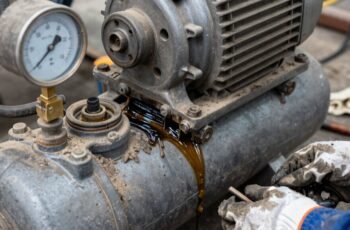
To determine if the regulator is leaking or failing, we need to carefully observe its behavior during operation. First, check for any audible hissing sounds, which indicate a leak. Visually inspect the regulator for signs of oil or moisture around seals and connections, suggesting internal failure or leaks. Monitor the output pressure; if it fluctuates unexpectedly or remains inconsistent despite stable input, the regulator may be malfunctioning. Use a pressure gauge to compare the set pressure with the actual output; discrepancies point to internal failure. Additionally, if the regulator struggles to maintain pressure under load or requires frequent adjustments, these are signs of potential failure. Consistent, precise pressure regulation is critical; deviations often signal internal leaks or component issues requiring further diagnosis.
What Are the Most Frequent Causes of Regulator Malfunctions?
Regulator malfunctions often stem from specific, identifiable issues within their components or external influences. Common causes include worn-out diaphragms, debris buildup, or faulty pressure sensors. External factors such as temperature fluctuations, dirt, and improper installation also contribute notably to failures. Recognizing these causes helps in diagnosing and preventing future issues effectively.
| Cause | Effect | Prevention Measures |
|---|---|---|
| Worn diaphragms | Loss of pressure control | Regular inspection and replacement |
| Debris accumulation | Blocked flow and inaccurate regulation | Use of filters and routine cleaning |
| Sensor malfunction | Erratic pressure readings | Calibration and sensor checks |
| Temperature extremes | Material degradation or expansion | Proper environment control |
| Improper setup | Inconsistent regulator operation | Correct installation procedures |
How Do Temperature and Dust Affect Regulator Performance?
Temperature fluctuations can directly impact the accuracy of regulator readings, causing pressure inconsistencies. Dust accumulation often leads to clogs and blockages, impairing regulator function and responsiveness. Additionally, dust abrasion accelerates wear on internal components, reducing overall regulator lifespan.
Temperature Impact on Accuracy
Environmental conditions, particularly temperature fluctuations, can substantially influence the accuracy of air compressor regulators. Variations in temperature affect the internal components’ expansion and contraction, leading to inconsistent pressure regulation. Higher temperatures can cause the regulator’s internal parts to expand, resulting in decreased sensitivity and potential over-pressurization. Conversely, low temperatures may stiffen components, reducing responsiveness and accuracy.
| Temperature Range | Effect on Regulator Performance |
|---|---|
| High (above 30°C) | Reduced sensitivity, over-pressurization |
| Moderate (15°C-30°C) | Ideal, stable regulation |
| Low (below 15°C) | Reduced responsiveness, under-pressurization |
| Extreme (below 0°C) | Possible component failure, inaccurate regulation |
Dust Clogs and Blockages
Dust accumulation and blockages are common issues that can considerably impair the performance of air compressor regulators, especially when combined with temperature fluctuations. Dust particles entering the regulator can settle in critical components, such as the pressure sensing element and inlet ports, causing partial or complete obstructions. Elevated temperatures exacerbate this problem by increasing dust adhesion and accelerating the buildup of debris, which further restricts airflow. These blockages lead to inaccurate pressure regulation, fluctuations, and potential pressure drops. Regular inspection and cleaning are vital to prevent dust-induced performance issues. Using filters or moisture separators can reduce dust ingress, while maintaining ideal temperature conditions helps minimize dust adhesion and clog formation. Proper maintenance ensures consistent regulator performance and prolongs component lifespan.
Dust-Induced Regulator Wear
When dust particles and elevated temperatures combine, they considerably accelerate wear in air compressor regulators, compromising their accuracy and longevity. Dust infiltration causes abrasive abrasion on internal components, leading to surface erosion and increased clearance within moving parts. Elevated temperatures exacerbate this process by softening lubricants and accelerating material fatigue, which results in faster deterioration of seals, diaphragms, and springs. Over time, this wear causes inconsistent pressure regulation and reduced responsiveness. Additionally, dust buildup can obstruct ventilation pathways, trapping heat and further elevating internal temperatures. This cyclical deterioration diminishes the regulator’s precision and reliability, demanding more frequent maintenance or replacement. Understanding this interplay emphasizes the importance of proper filtration and temperature management strategies to prolong regulator service life and maintain ideal performance.
When Should I Repair or Replace My Air Compressor Regulator?
Determining whether to repair or replace your air compressor regulator hinges on evaluating the severity and persistence of its issues. If the regulator exhibits intermittent pressure fluctuations, minor leaks, or inconsistent regulation, repair may suffice—such as replacing seals or adjusting components. However, if problems persist after repairs, or if there are significant signs of internal corrosion, cracked diaphragms, or worn-out springs, replacement becomes necessary. Persistent pressure drops, inability to maintain set output, or total failure to regulate pressure indicate that repair is unlikely to restore ideal function. In these cases, replacing the regulator ensures reliable operation and prevents further system damage. Regular inspection and diagnostics are essential to determine whether repair or replacement offers the most effective long-term solution.
Frequently Asked Questions
Can a Regulator Be Repaired or Should It Always Be Replaced?
We believe regulators can often be repaired if the damage is minor, such as a faulty diaphragm or debris; however, severe internal component failure usually requires full replacement for reliable operation and safety.
How Often Should I Inspect My Air Compressor Regulator?
We recommend inspecting your air compressor regulator monthly to guarantee peak performance. Regular checks help identify wear or damage early, preventing potential failures and maintaining consistent pressure regulation. Always follow manufacturer guidelines for specific inspection intervals.
What Tools Are Needed to Troubleshoot Regulator Issues?
We use a pressure gauge, a multimeter, and a wrench to troubleshoot regulator issues, much like a mechanic uses specialized tools to diagnose a car. These precise instruments help us identify and fix pressure inconsistencies effectively.
Can Incompatible Accessories Cause Regulator Problems?
Yes, incompatible accessories can cause regulator problems by creating pressure imbalances or leaks. We recommend verifying accessory compatibility with your compressor specifications to prevent improper pressure regulation, ensuring safe and efficient operation of your air system.
Does Humidity Affect the Regulator’s Performance Over Time?
Humidity can considerably impact regulator performance over time by causing corrosion, moisture buildup, and internal component degradation. We recommend installing moisture filters and performing regular maintenance to guarantee consistent operation and prevent humidity-related issues in your air compressor system.
Conclusion
By staying attentive to subtle changes in pressure and listening for unusual sounds, we can catch regulator issues early. Regular inspections and prompt maintenance act as our safeguard, helping prevent more significant system disruptions. Addressing minor irregularities swiftly ensures our compressors operate smoothly, much like fine-tuning an intricate instrument. Ultimately, proactive care maintains the integrity of the entire system, allowing us to work efficiently and safely, even when the environment presents challenges.